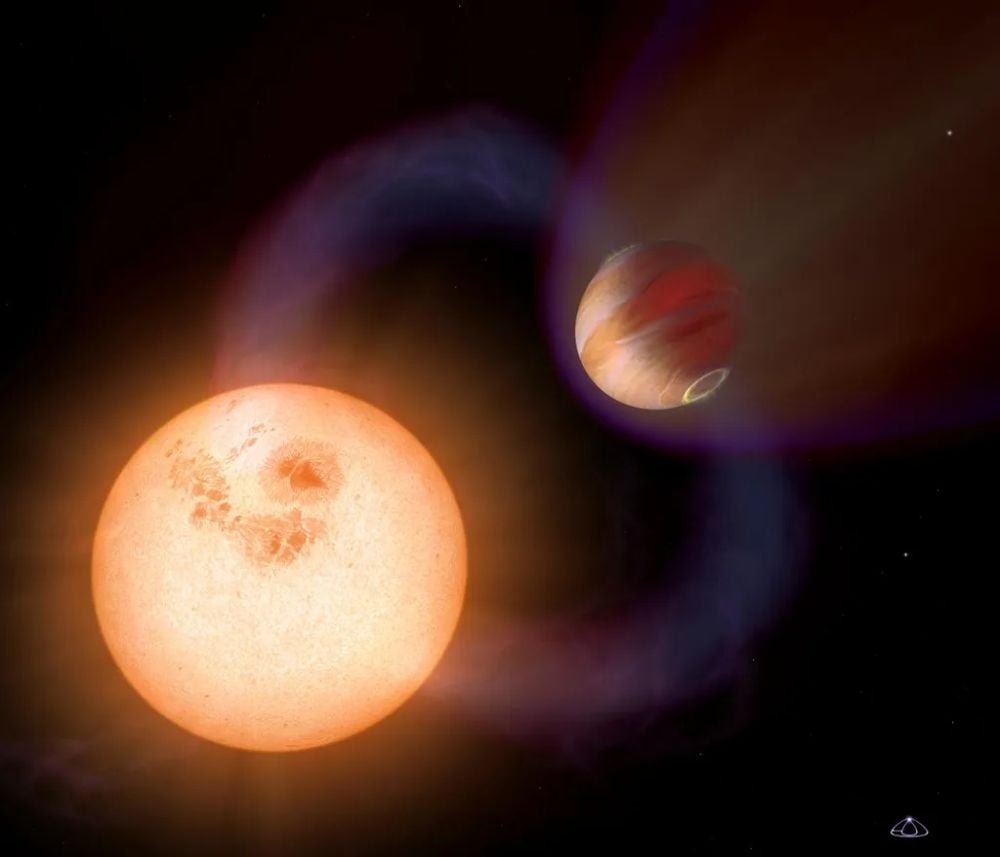
Astronomers at the University of Warwick have used a new machine-learning framework called RAVEN to confirm 118 previously unknown exoplanets and flag more than 2,000 high-quality candidates from NASA TESS mission observations of 2.2 million stars over four years. The findings were published May 3, 2026 in Monthly Notices of the Royal Astronomical Society.
The haul includes rare ultra-short-period worlds that complete an orbit in under 24 hours and the first direct population measurement of planets in the so-called Neptunian desert, a region close to host stars where Neptune-sized worlds are almost never found. RAVEN places that occurrence rate at just 0.08% of Sun-like stars, while confirming roughly 9 to 10% of Sun-like stars host a close-in planet, with uncertainties up to ten times smaller than the equivalent figure from NASA Kepler.
Unlike earlier vetting pipelines that required heavy human review, RAVEN handles signal detection, machine-learning false-positive rejection, and statistical validation in a single pass, letting researchers process the entire TESS catalog at a scale that was previously impractical.