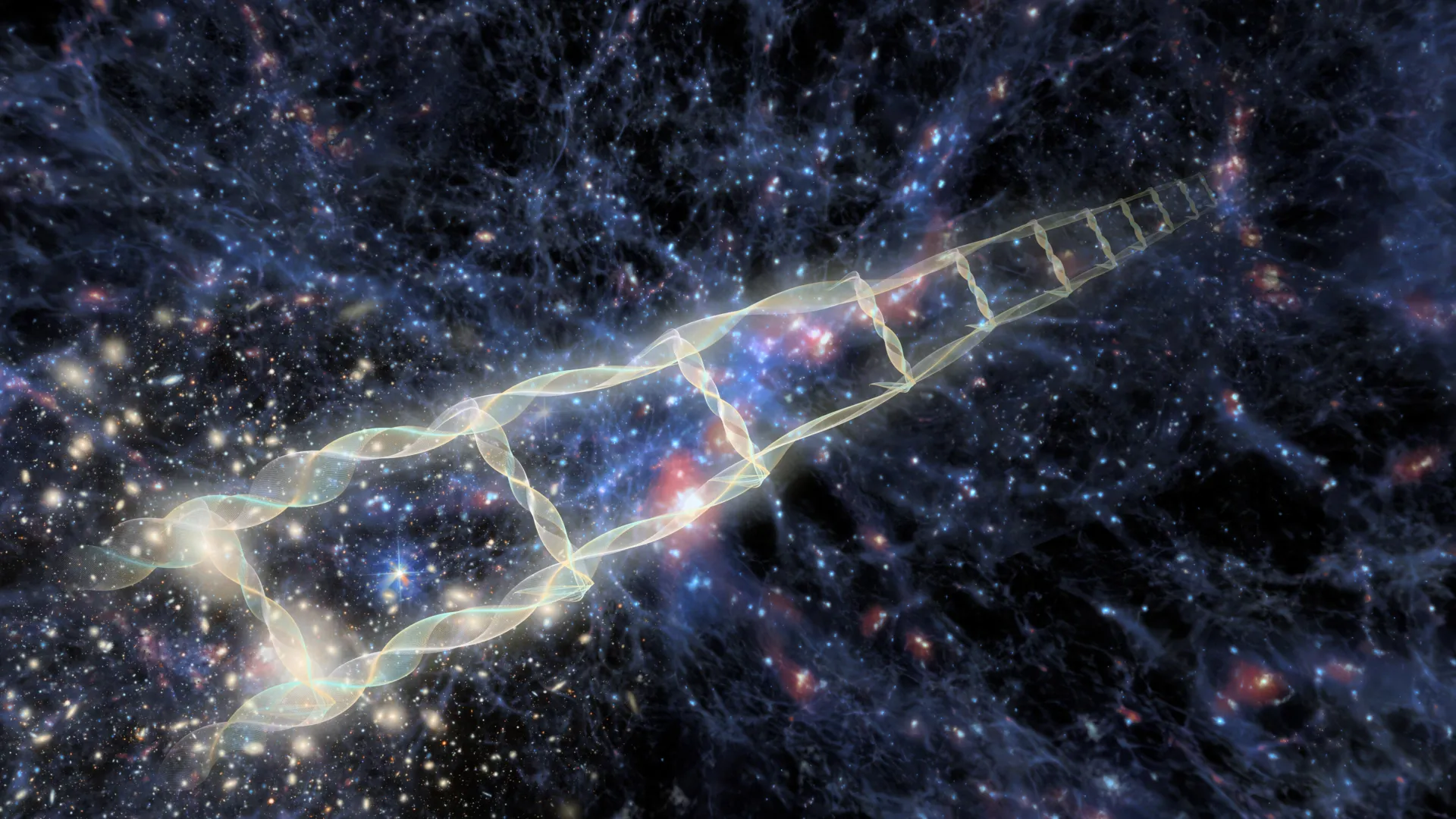
The H0 Distance Network Collaboration has produced one of the most precise measurements of the universe's expansion rate to date, reporting a Hubble constant of 73.50 ± 0.81 km/s/Mpc — just over 1% precision. Published April 10 in Astronomy & Astrophysics, the result deepens the so-called "Hubble tension," as the local expansion rate remains roughly 8% higher than the 67–68 km/s/Mpc predicted by early-universe models based on cosmic microwave background data.
The team achieved this precision by constructing a "distance network" that links multiple overlapping measurement techniques — Cepheid variable stars, red giant stars, Type Ia supernovae, and certain galaxy types — using data from NSF's Cerro Tololo and Kitt Peak observatories alongside space-based facilities. The approach effectively rules out the possibility that a single overlooked error in any one method is behind the discrepancy.
The researchers conclude that if the tension is real, "it may point to new physics beyond the standard cosmological model," potentially involving unknown properties of dark energy, new fundamental particles, or modifications to our understanding of gravity.