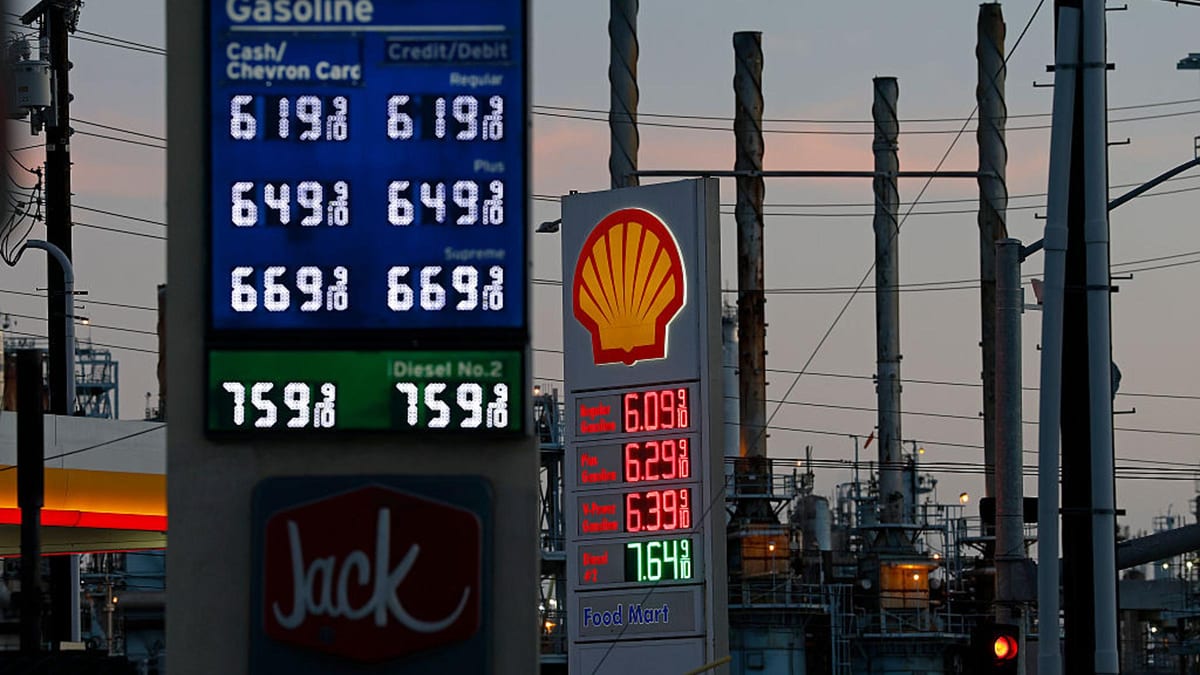
The month-long Iranian blockade of the Strait of Hormuz — through which roughly one-fifth of the world's oil flows — has pushed crude prices past $110 per barrel and forced governments worldwide to introduce emergency fuel rationing. With Trump's April 6 deadline for Iran to reopen the strait now arriving, analysts warn prices could reach $150–200 per barrel if the closure persists.
European countries have imposed temporary fuel purchase caps and reinstated odd-even license plate driving rules, while Asian governments have cut subsidized fuel allocations and introduced quantity-based controls with targeted coupons. Sri Lanka declared Wednesdays public holidays for schools and state institutions to reduce commuting, limiting private motorists to 15 litres per week. Bangladesh cut office hours and forced markets to close by 6 p.m.
The IEA has approved the largest collective release of emergency oil stockpiles on record, with the U.S. alone committing 172 million barrels from the Strategic Petroleum Reserve. Airlines face route cancellations and suspension of ultra-long-haul services, while rail and bus operators report surging bookings as travelers abandon short-haul flights.