Overview
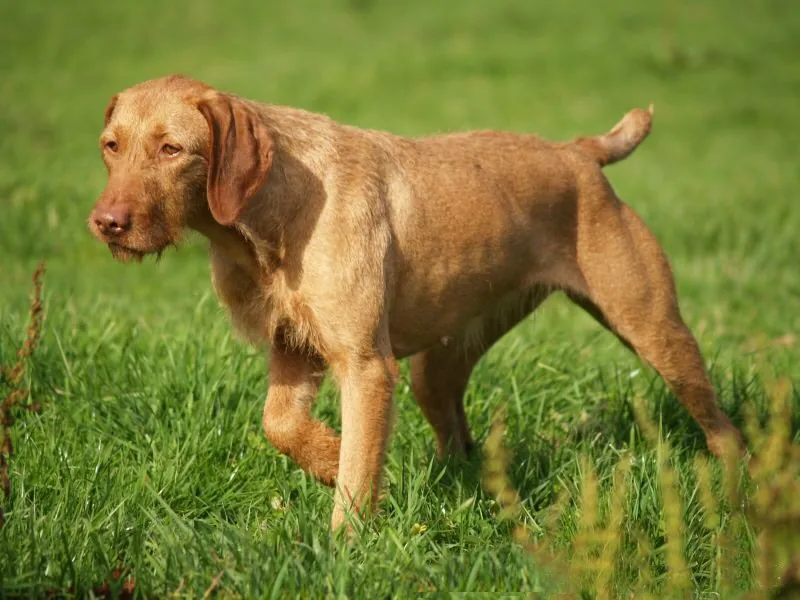
The Wirehaired Vizsla is a medium-sized Hungarian pointing breed with a harsh, weather-resistant coat. It is a true all-round hunting dog, able to find, point and retrieve game on land and in water.
Although it shares a name and colour with the smooth-coated Vizsla, it is a separate breed. It is rare worldwide but loved by its devotees for being affectionate, steady and keen to work.
History
The breed was created in Hungary in the 1930s by breeders who wanted a Vizsla-coloured dog with a heavier coat and sturdier frame, better suited to cold conditions and retrieving from icy water. They crossed good working Vizsla bitches with a liver-coloured German Wirehaired Pointer.
Other breeds such as the Pudelpointer, Irish Setter and Bloodhound are thought to have been added in later years. The FCI recognised the breed in 1963, and it reached North America in the 1970s. Worldwide numbers remain small, at only a few thousand dogs.
Appearance
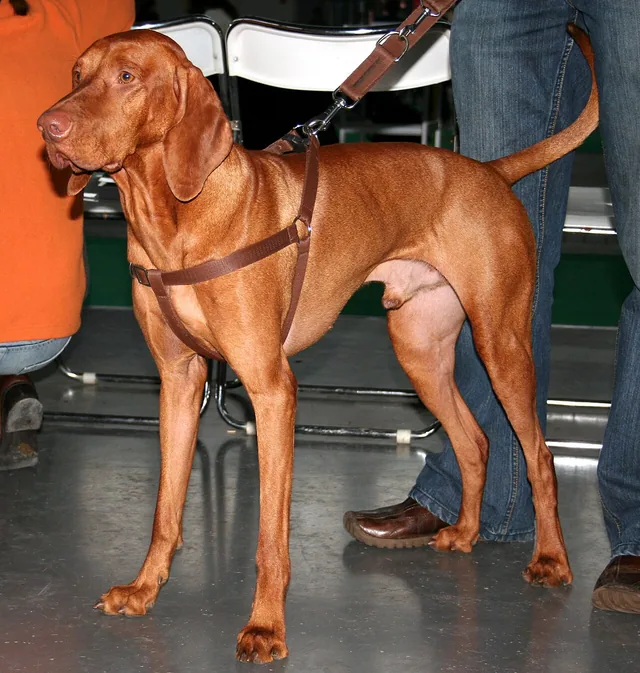
A medium-sized, well-balanced dog with the lean outline of a Vizsla but a stronger frame. Males stand roughly 58 to 64 cm at the withers, with females a few centimetres smaller.
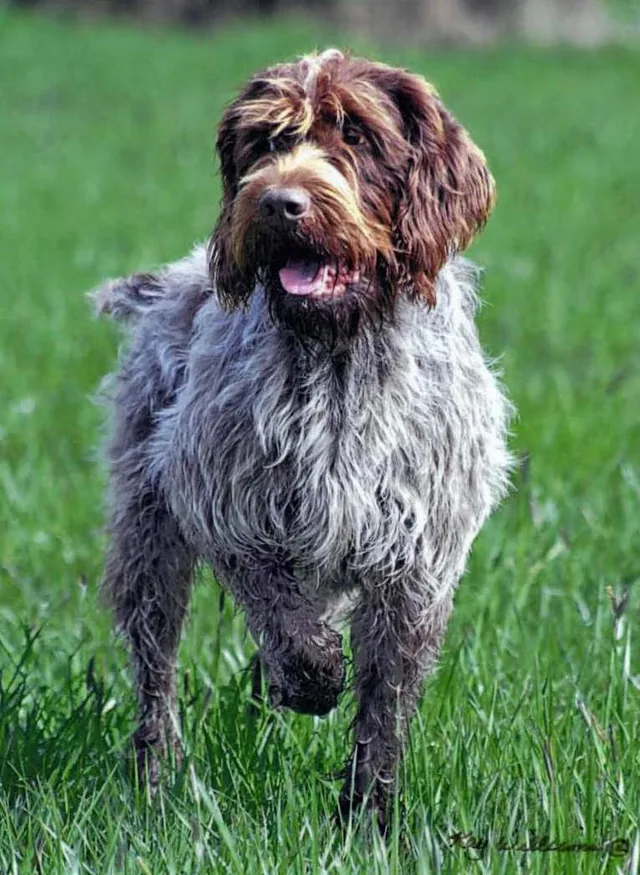
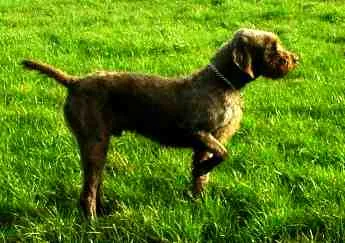
The wiry, dense coat protects against cold, brush and water, and is usually a rich russet-gold shade. The head resembles that of the German Wirehaired Pointer, with a bearded muzzle and eyebrows.
Temperament
The Wirehaired Vizsla is affectionate and forms close bonds with its people. It has a level, steady nature that suits family life, provided it gets enough activity.
It is intelligent and eager to please, so it responds well to positive, consistent training. It is happiest when included in family activities and given a job to do.
Care and exercise
This is an active hunting dog that needs plenty of daily exercise, ideally including running, swimming and mental work such as scent games or field training. A bored dog may become restless.
The coat is easy to keep, needing regular brushing and occasional hand stripping to remove dead hair. Check the ears and beard after outings, and be sure to give it company, since it dislikes being left alone for long.
Health
A UK breed club survey found an average life expectancy of about 13 years. As with many medium-to-large sporting dogs, hip checks and general health screening of breeding stock are sensible.