Overview
The Ramanathapuram Mandai is a hound found in the Ramanathapuram district of Tamil Nadu in southern India. It is a large, strong local dog, and images of it appear in many temple sculptures of the district.
Those carvings suggest it has lived alongside people in this part of India for a very long time. It is sometimes called the herd dog, reflecting its use as a working village animal.
History
The breed is known mainly through its depiction in temple sculptures across Ramanathapuram district, which point to a long presence in the area. It has developed as a working dog of the region rather than through formal breeding programmes.
Like other Indian native dogs, it has little written history, and it is not recognised by the major international kennel organisations.
Appearance
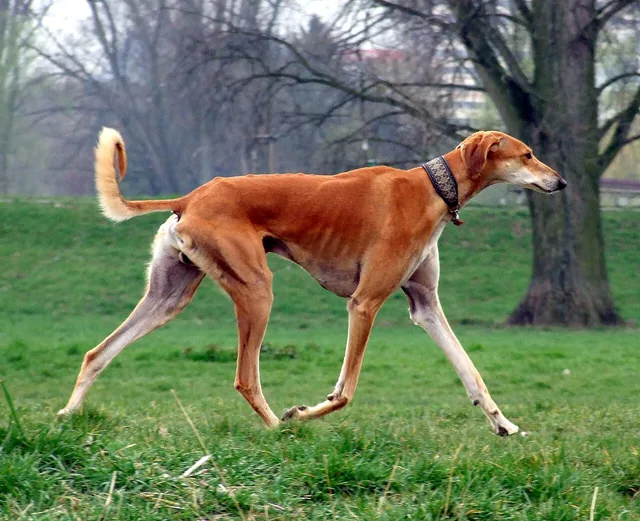
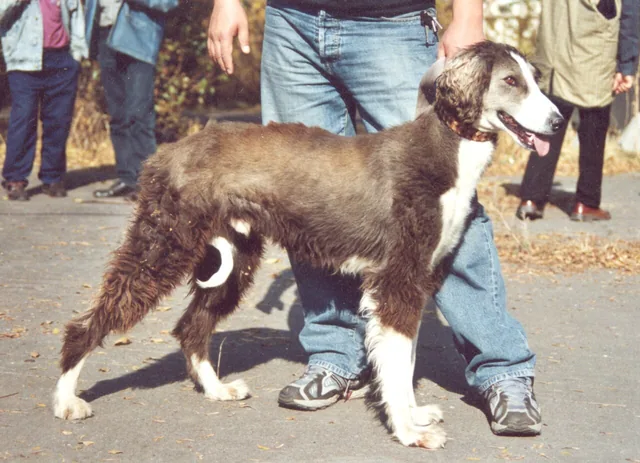
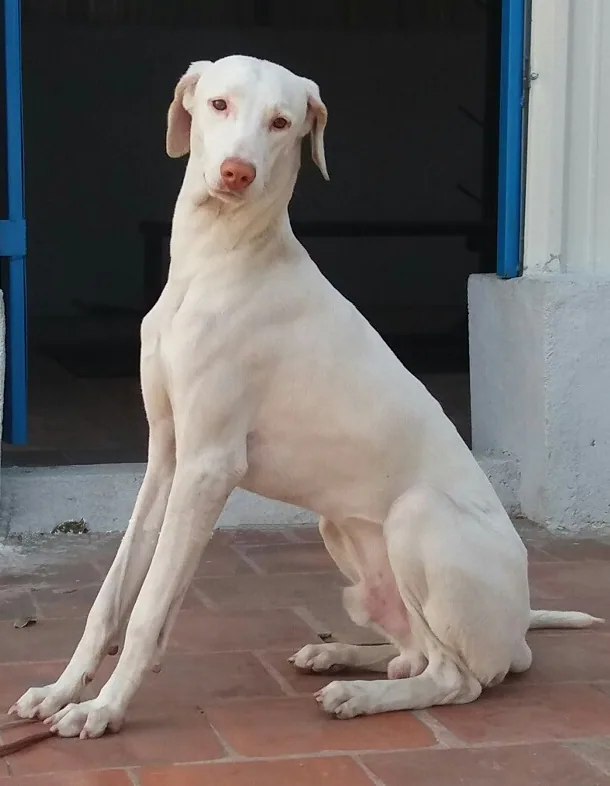
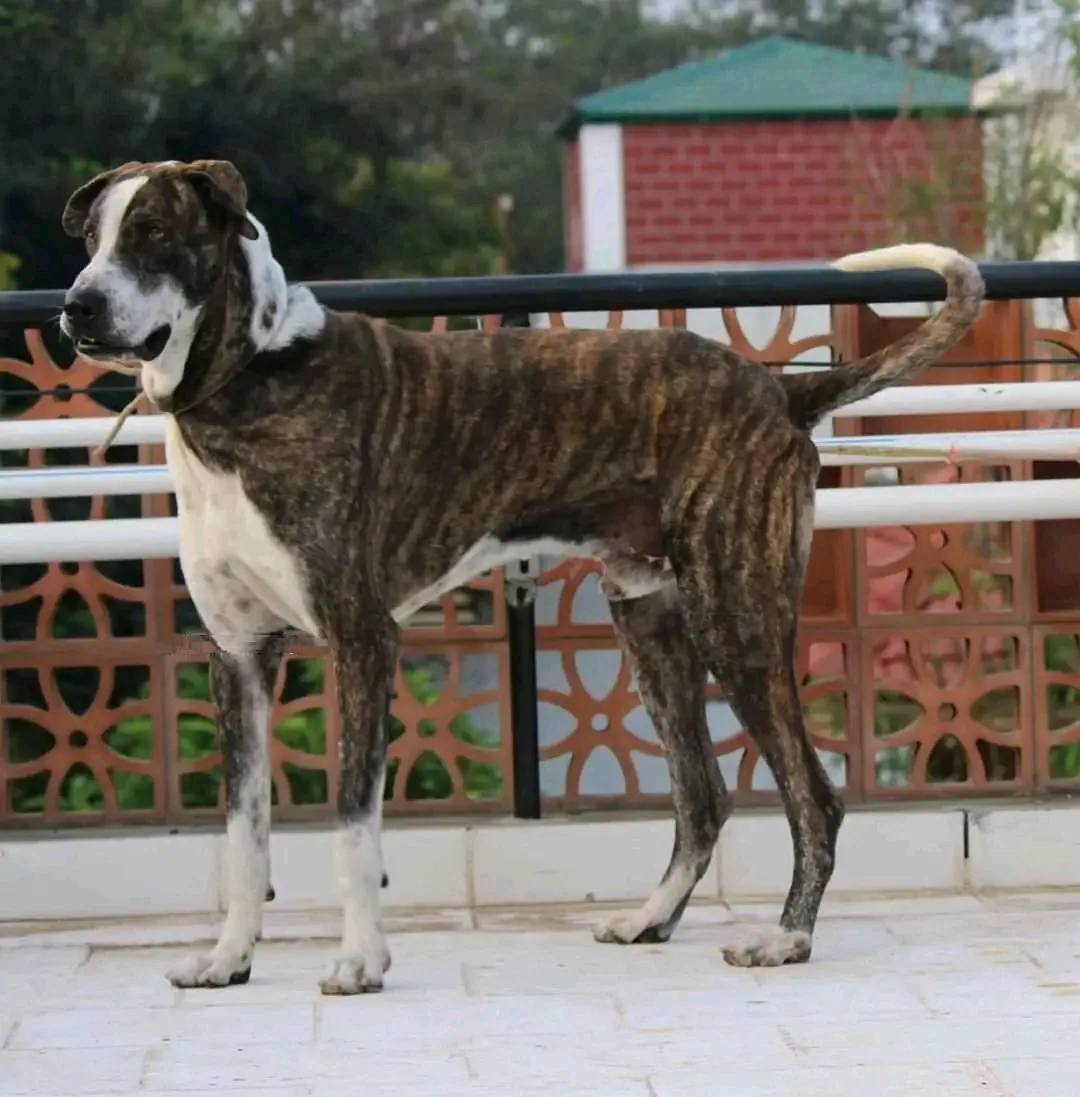
A big dog standing roughly 66 to 76 cm tall, with a large body, long legs, strong bones and a thick tail. The head is large with a broad jaw, a blunt, thick muzzle and a broad, curved forehead.
The large ears hang down like those of a goat. The feet and the tip of the tail are white.
Temperament
Native working dogs of this kind are typically loyal, watchful and self-reliant, and the Mandai is valued as a strong guardian and hunting companion.
Care and exercise
It suits a rural or spacious setting with room to move and regular exercise. Its coat is short and needs little attention. Early socialisation and firm, patient handling are important for a dog of this size and strength.
Health
The breed is reported to be long-lived, with lifespans of 18 to 19 years, suggesting a hardy constitution typical of native landrace dogs.