Overview
The King Charles Spaniel, known in North America as the English Toy Spaniel, is a small companion dog with a rounded skull, a short flat nose and long, feathered ears. In 1903 four separate toy spaniel types were joined under one name, each adding one of the breed's four colours.
It is a gentle, people-loving dog that is happiest on a lap or a sofa. It suits flats and quiet homes, though its coat needs regular care and its short nose calls for a thoughtful owner.
History
Small spaniels of this kind appear in European paintings from the 16th century, and they were favourites at the English court, most famously with King Charles II, who gave the breed its name. Their ancestry is thought to trace back to East Asia.
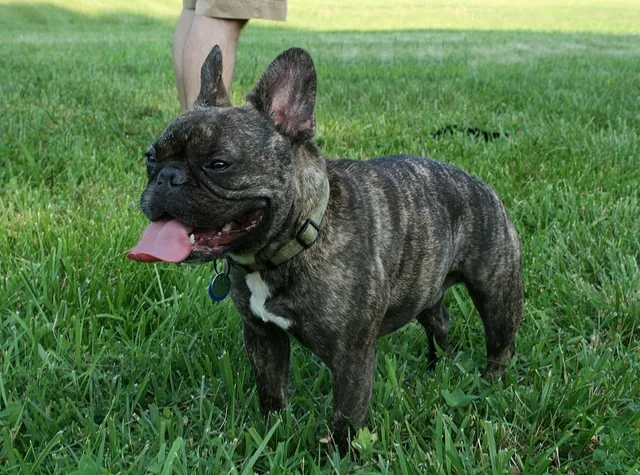
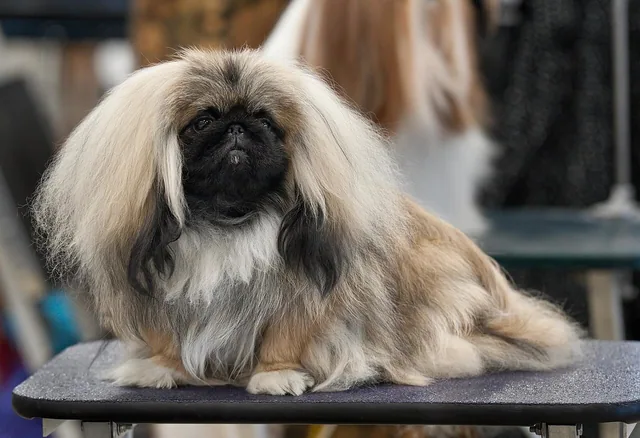
In the early 19th century breeders crossed them with short-nosed Asian breeds such as the Japanese Chin, Pekingese and Pug to shorten the muzzle. Later attempts to bring back the longer-nosed look of the king's day led to the separate Cavalier King Charles Spaniel.
Appearance
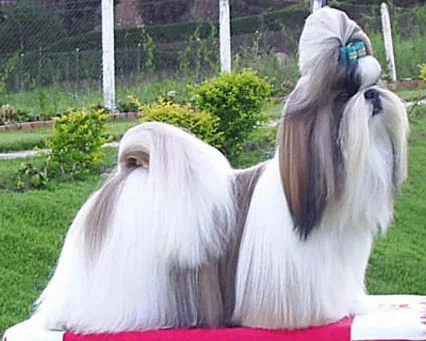
A compact, sturdy little dog with a high domed head, large dark eyes, a very short upturned nose and long, low-set ears covered in silky fringes. The tail is feathered and carried gaily.
It is smaller and flatter-faced than the Cavalier, and the coat is long, straight and silky. Four colour varieties are recognised.
Temperament
Sweet, quiet and attached to its family, the King Charles is a true companion that likes to follow its people from room to room. It is usually calm indoors and mellow with visitors.
It keeps some hunting instinct from its spaniel past but is not demanding or high-energy. It tends to be gentle with considerate children and gets along well with other pets.
Care and exercise
Needs only short daily walks and some play, and it takes heat and strenuous exercise poorly because of its short nose. Brush the coat several times a week and keep the ears and eye area clean.
Be careful with food, as the breed gains weight easily. Because it dislikes being left alone for long, it does best in a household where someone is often at home.
Health
The breed is prone to heart problems, especially mitral valve disease, and to a range of eye conditions. Its short nose can cause breathing difficulty, and the ears need watching for infection. Choose a breeder who health-tests parents.