Overview
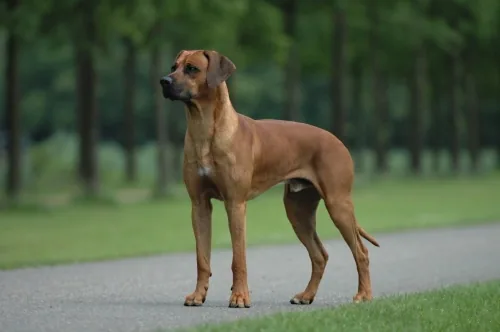
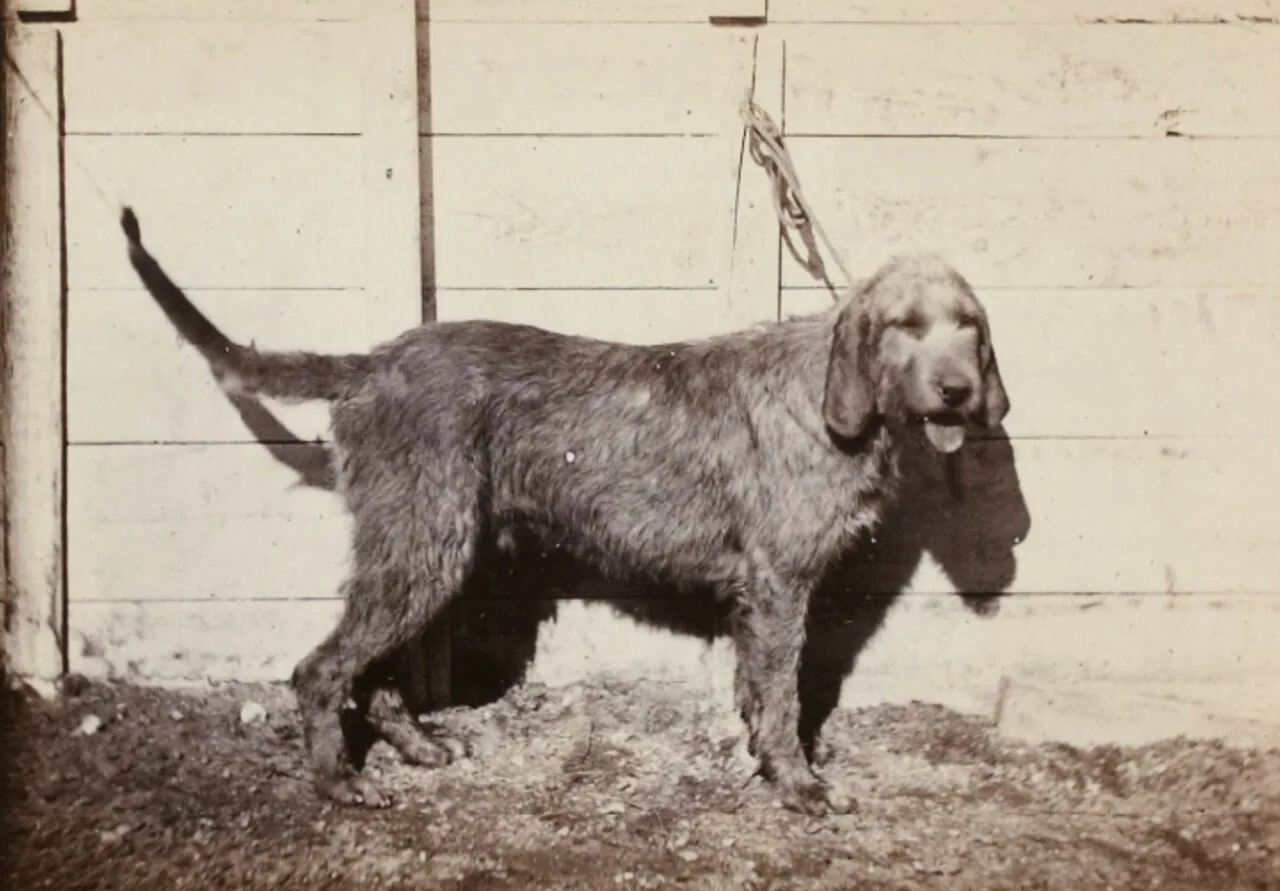
The Grand Fauve de Bretagne was a large scenthound from Brittany, built for dangerous quarry such as wolves and wild boar. It had a short, dense, harsh coat in a uniform pale golden-brown.
It was renowned for its unruly nature. That boldness suited it to big game, but it also made the hounds hard to control and prone to killing sheep and goats.
History
Fawn hounds of Brittany were known in France from the 16th century. In 1520 Francis I was given a hound named Miraud by Admiral Claude d'Annebault and later kept a pack, and in 1570 Charles IX listed the breed among the main French hounds.
As wolves were wiped out across much of France in the mid-19th century, the hounds lost their purpose and became rare. By 1873 only three packs were thought to keep pure bloodlines, and the breed then died out. Some were crossed with Briquet Griffon Vendéens, creating the smaller Griffon Fauve de Bretagne, which keeps much of their look.
Appearance
A large, rough-coated hound with a short, dense and harsh coat of an even pale golden-brown, fawn in colour.
Temperament
Bold and fearless, these hounds were very difficult to control. Their fierce temperament suited hunting wolves and boar, but they could not always be trusted around livestock.
Care and exercise
The breed no longer exists, so there is no modern care guidance. Its descendants, the Griffon Fauve de Bretagne, are the nearest living relatives.