Overview
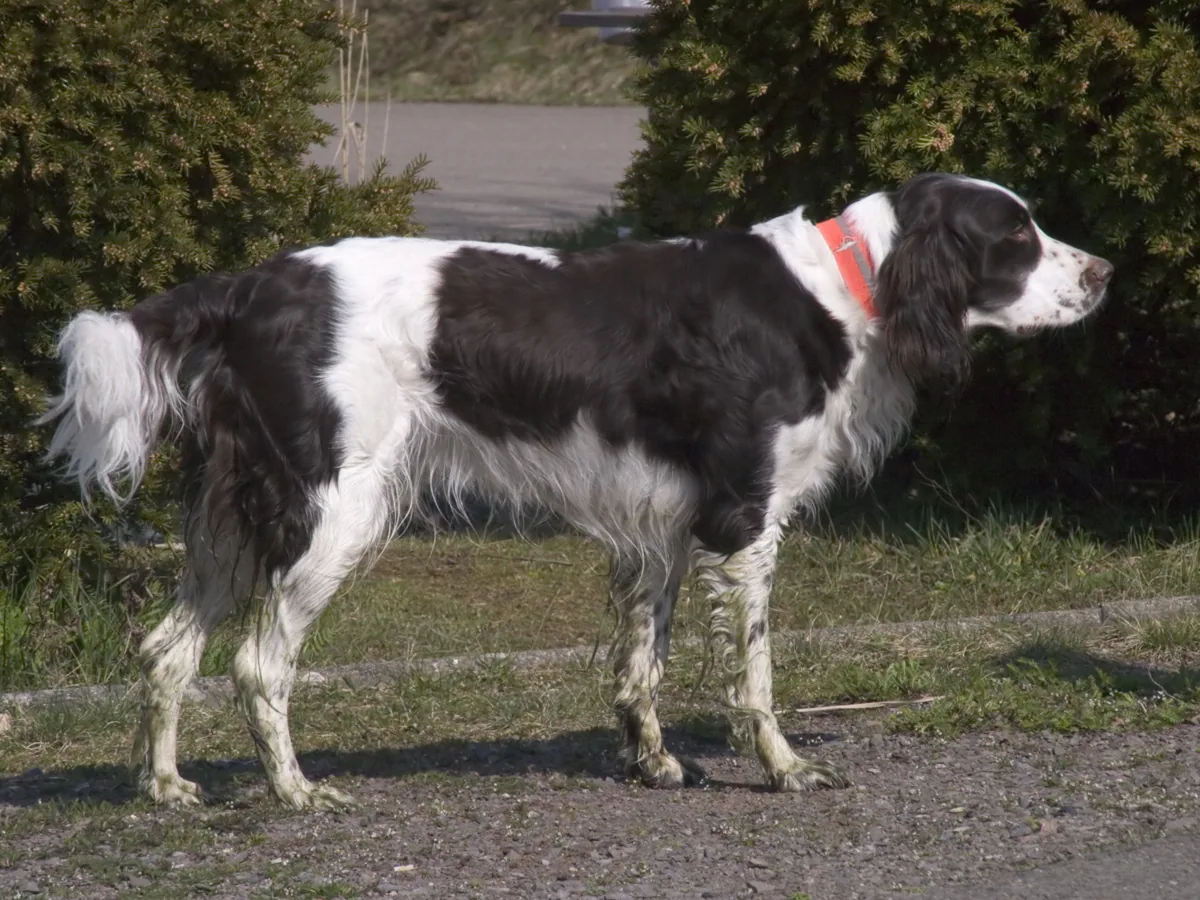
The French Spaniel is one of the tallest spaniel breeds, a muscular gundog with a white coat marked in cinnamon to dark liver brown. It was developed in France and later flourished in Canada as a hunter of woodcock and grouse.
It is friendly, patient and keen to please, which makes it easy to train. It is at its best with an active family or hunter who can give it real work and plenty of exercise.
History
Spaniels were already described in France in the 14th century, and by the Middle Ages the breed was a favourite at royal courts, used with falcons and for net hunting. Regional types developed, and the Brittany was later created by crossing French Spaniels with English Setters.
By 1900 English sporting dogs had pushed the breed close to extinction. Father Fournier, a French priest, gathered the surviving dogs in his kennels and built the lines still seen today. The breed club was founded in 1921, and Quebec's hunters embraced the breed from the 1970s.
Appearance
A muscular, deep-chested dog with strong legs, dark amber eyes and a thick tail that tapers toward the tip. The medium-length coat is dense and mostly flat, with a slight wave on the chest and long feathering on the ears, backs of the legs and tail.
The usual colour is white with brown patches ranging from light cinnamon to dark liver. Males stand about 56 to 61 cm, with females a little shorter.
Temperament
Outgoing, well balanced and patient, the French Spaniel is not naturally aggressive and forms a close bond with its person. It is eager to please and learns quickly with kind, consistent training.
Being a true working dog, it has high stamina and needs a job or vigorous activity every day to stay content.
Care and exercise
Plan on vigorous daily exercise, ideally with scenting, retrieving or field work to occupy its mind. It copes well with wet weather and suits a country home or an active household better than a flat.
Brush the coat weekly, paying attention to the feathering, and check the ears regularly for dirt and moisture.
Health
Generally robust with few problems. A rare disorder called acral mutilation and analgesia has been reported, in which young dogs lose pain sensation in their paws and may injure them by licking and biting. Reputable breeders watch for it.