Overview
The Dumfriesshire Hound was a pack of black and tan foxhounds kept at Glenholm Kennels near Lockerbie in southern Scotland. They were somewhat bigger than the standard foxhound and were prized for their size, speed and colour.
The pack was disbanded in 2001, so the breed is regarded as extinct in its original form. Its influence continues through descendants in French hunting packs and through crosses into other hound packs.
History
The pack was established after the First World War by Sir John Buchanan Jardine, who also wrote the book Hounds of the World. The hounds are thought to have come from crossing the Bloodhound, the Grand Bleu de Gascogne and the English Foxhound.
Large Dumfriesshire hounds were also used when the Dumfriesshire otterhound pack was founded. After the Second World War their blood was added to several clean boot hunting bloodhound packs to improve speed and agility. A French pack, the Equipage de la Roirie, descends from them.
Appearance
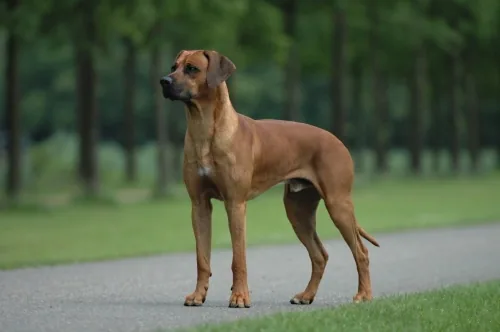
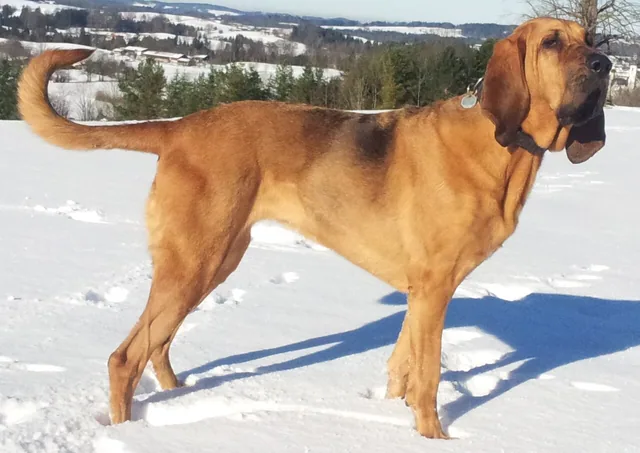
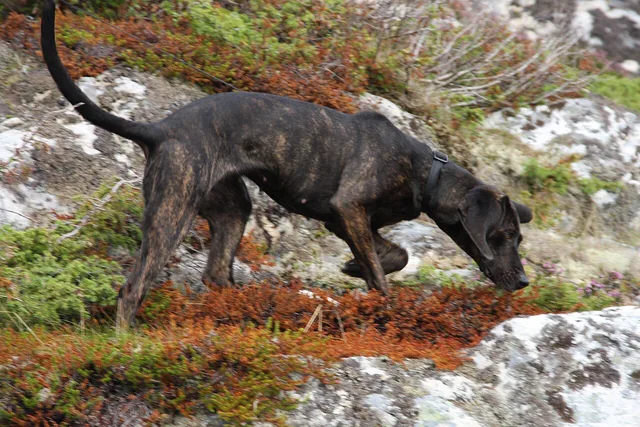
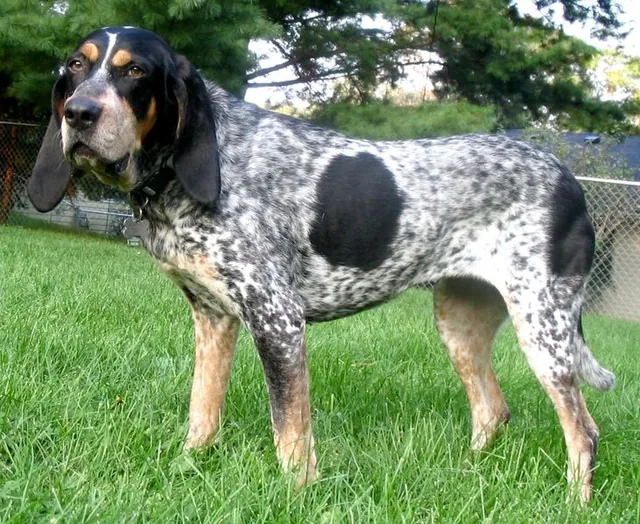
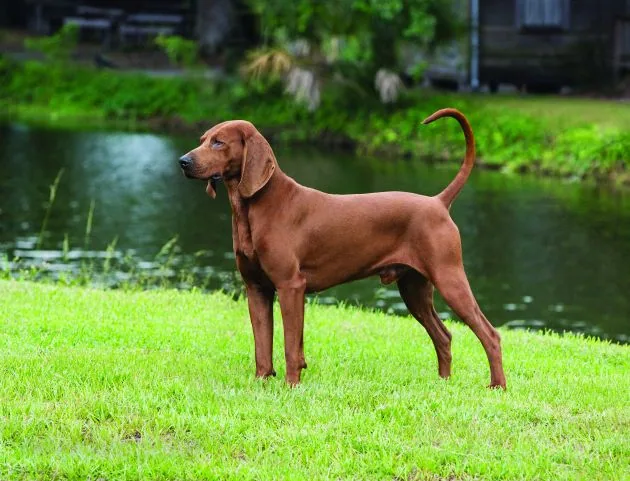
These were large, powerful hounds, taller and heavier than a typical foxhound. The coat was black and tan, like that of a big Bloodhound or Coonhound, and built for hard going across rough country.
Temperament
Like most pack hounds, they were bred to work together, follow scent with determination and give tongue on the trail. They would have been sociable with other hounds and energetic in the field.
Care and exercise
As a working pack hound they needed a great deal of daily exercise, company of other dogs and a job to do. The short coat needed only simple brushing.