Overview
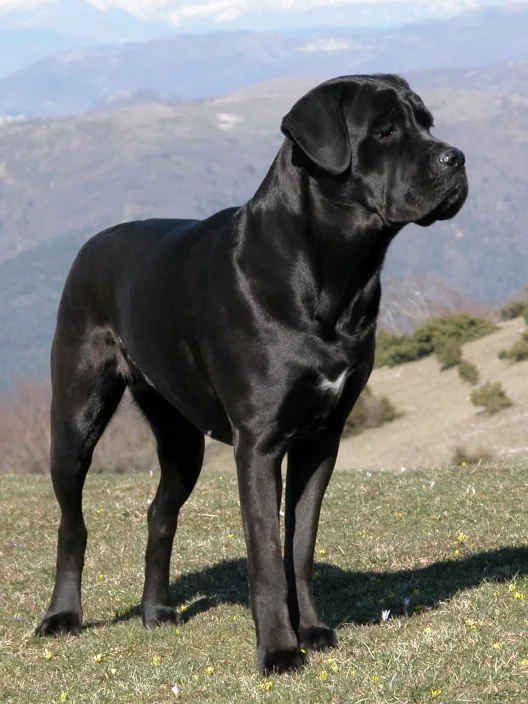
The Ca de Bou, or Perro de Presa Mallorquín, is a Spanish catch dog from the island of Mallorca in the Balearics. It is compact and very muscular, built for gripping power rather than speed.
Modern dogs have been softened by generations of selective breeding for the show ring. They keep the alertness and tenacity of their forebears, but at home they are affectionate and willing to please.
History
The breed probably took shape while Catalan influence ruled Mallorca, between 1270 and 1570, from mastiff-type dogs used to manage cattle. By the time of the British occupation in the 18th century, bull-baiting and dog fighting were well established and these dogs were prized for their courage.
When those blood sports were outlawed in the 20th century, the breed almost disappeared. Enthusiasts from mainland Spain rescued it by showing it. A first standard was written in 1932 and the FCI accepted the breed in 1963. In 2026 it was listed among Spain's vulnerable native breeds.
Appearance
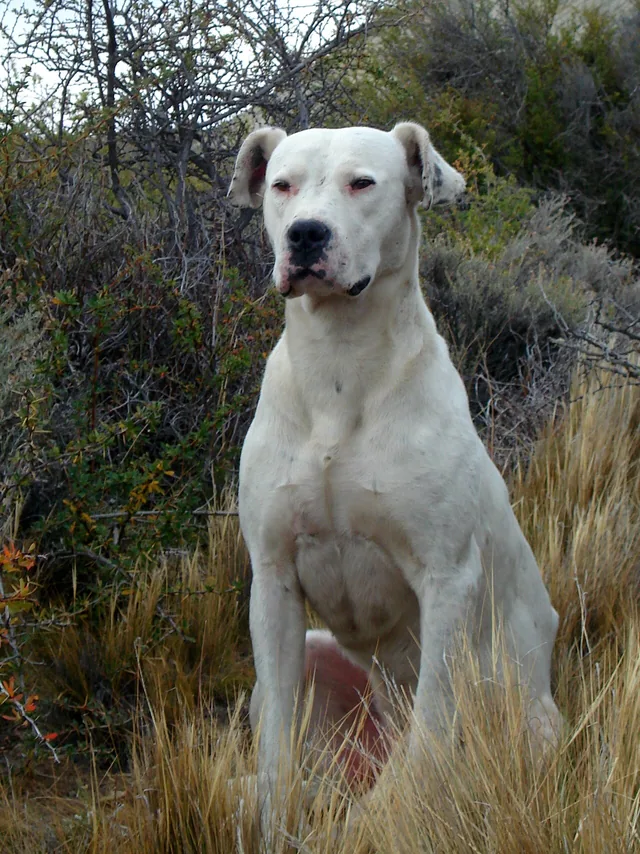
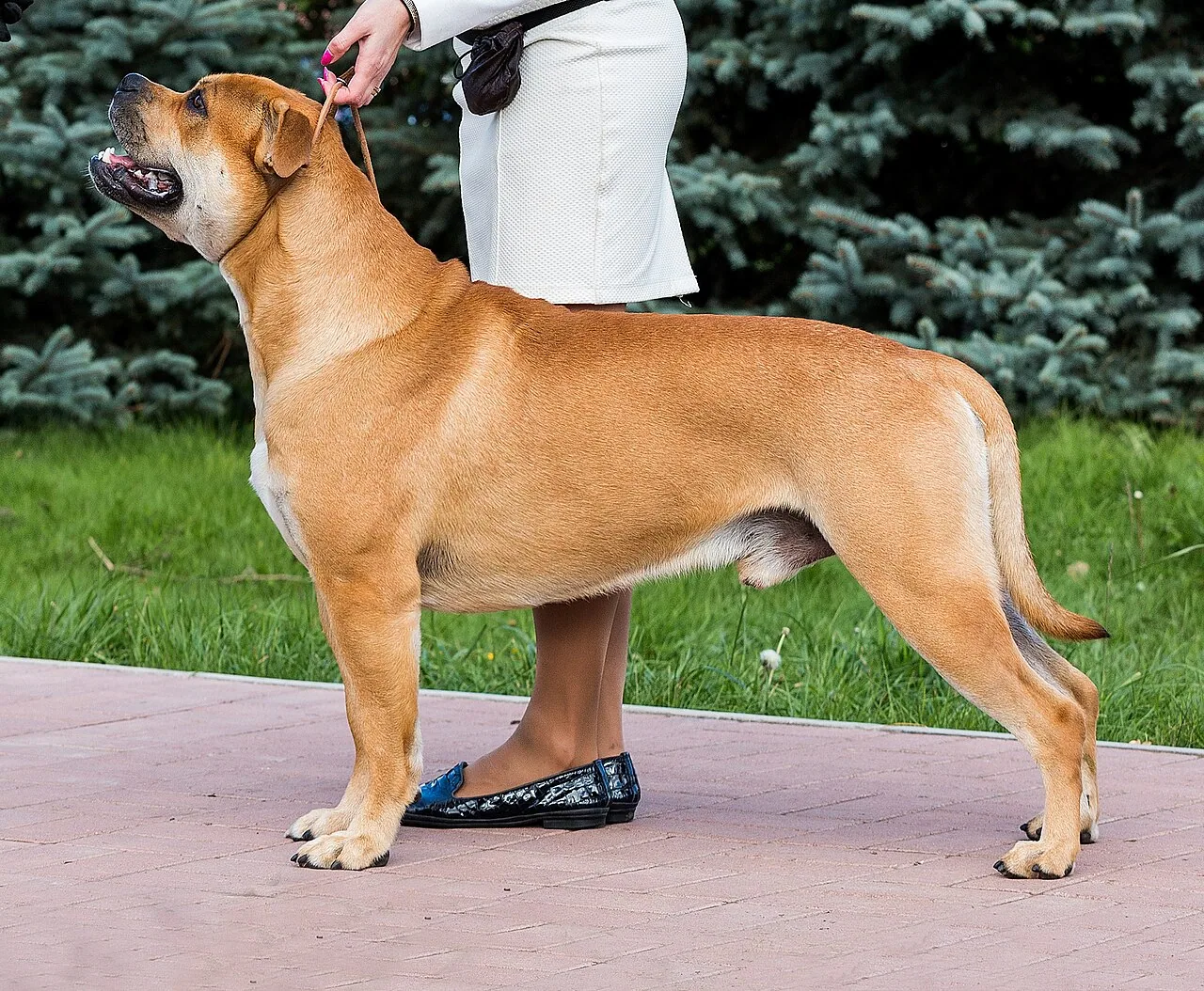
This is a very muscular dog of medium height. Males stand about 55 to 58 cm and weigh 35 to 38 kg, while females are slightly smaller at 52 to 55 cm and 30 to 34 kg. The head is large with a broad, strong jaw, and the coat is short and rough.
Temperament
Today's Ca de Bou is biddable and affectionate with its family, yet it remains watchful and determined. Its strength and its history mean it needs an experienced, confident owner, early socialisation and calm, consistent training.
Care and exercise
A short coat needs only weekly brushing. The breed needs regular daily exercise and a job for its mind, along with firm, fair handling from puppyhood. Keep walks controlled around unfamiliar dogs, and give it a warm, sheltered spot as well as shade in hot weather.
Health
Generally a sturdy breed with an expected life of 10 to 12 years. As with other heavy-headed, short-coated molossers, keep an eye on weight, joints and heat tolerance, and choose breeders who health-test their stock.