Overview
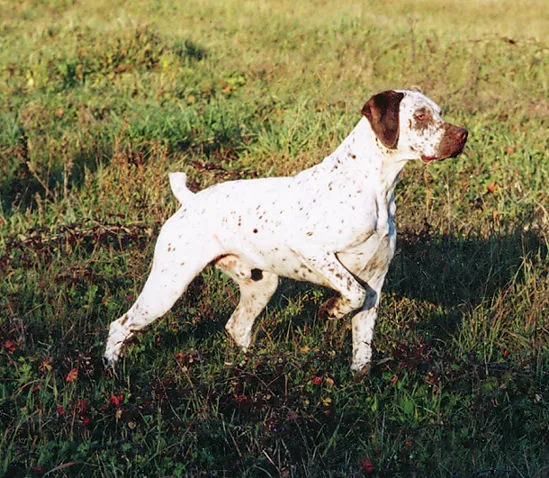
The Braque du Bourbonnais is a French gundog from the old Bourbonnais region, known for its ticked coat in liver or fawn and for pups that are sometimes born with a very short tail.
It combines the manners of a loving family dog with the drive of a dedicated hunter.
History
After the Second World War the breed declined and its club faded away; between 1963 and 1973 no dogs were entered in the French studbook, probably because breeders favoured coat colour and short tails over hunting ability.
In 1970 Michel Comte began searching for the last dogs with Bourbonnais blood and registered his first dog in 1973. The club was recreated in 1981, and field-trial successes revived the breed. It reached the United States in 1988.
Appearance
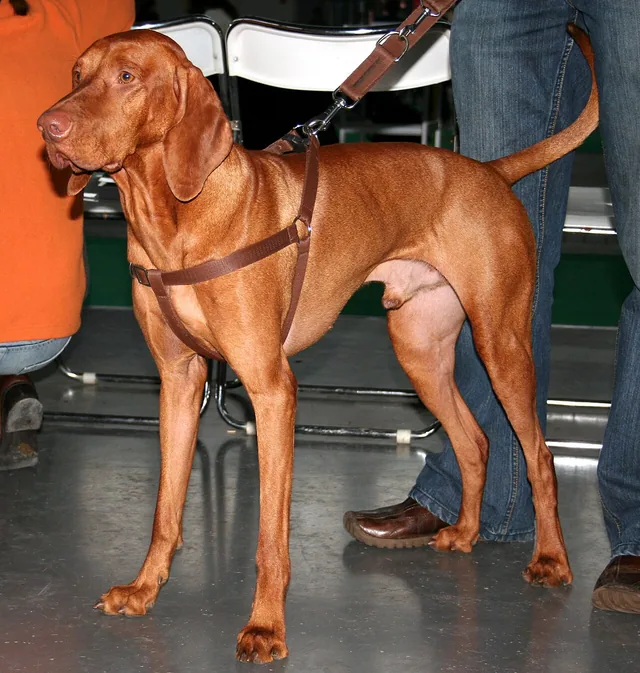
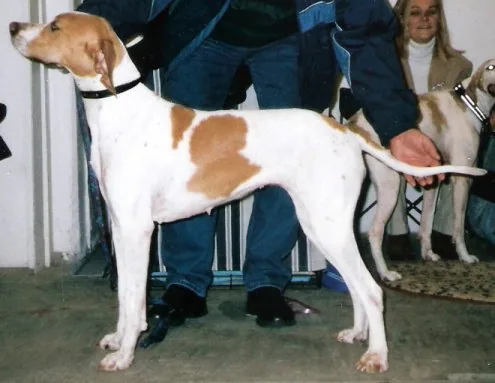
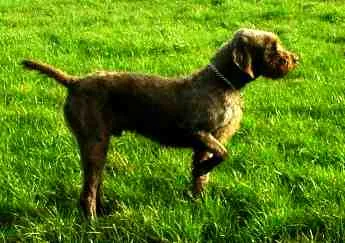
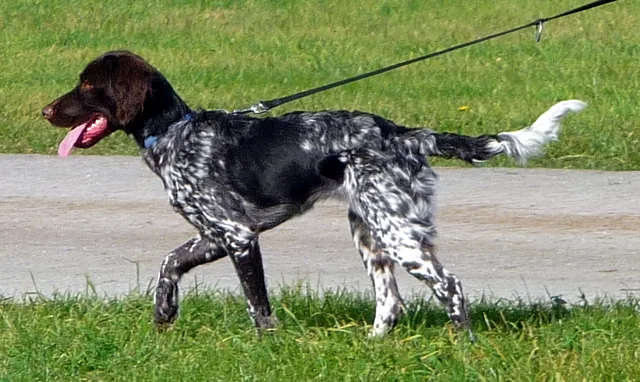
A medium-sized pointing dog with a rounded head, parallel skull and muzzle, and a high head carriage. Females are generally finer, more elegant and longer than males.
The coat is ticked in two colours with traditional names: liver, called wine dregs, and fawn, called peach blossom. Small patches are tolerated. Some are born with a short tail or none at all.
Temperament
Good-tempered and loyal, the Bourbonnais loves to stay close to its owner. In the field it becomes attentive and motivated, and it points with authority.
It is very active, though it tends to work close, and it changes direction quickly.
Care and exercise
It needs daily exercise and plenty of chances to run, ideally with hunting or field work. It is happiest in an active family and does not do well left alone for long hours.
The short coat needs only occasional brushing, and the ears should be checked regularly.