Overview
The Bakharwal Dog is a livestock guardian found in northern India, especially Ladakh and the Pir Panjal range of Jammu and Kashmir. Nomadic herding communities have kept it for centuries to guard flocks of sheep, goats and cattle and their homes.
Though valued locally, it is now said to be at risk of dying out, and conservation of the type has been urged.
History
Some believe the dog came from crossing Tibetan Mastiff-type dogs with Indian pariah dogs, while others see it as the oldest Indian dog, long travelling with Kashmiri nomads. Scientists suggest roots in Central Asian herding dogs.
In recent decades the dogs have suffered from rabies, and in conflict areas some were shot, while restrictions on herders reaching high pastures led to disease and deaths.
Appearance
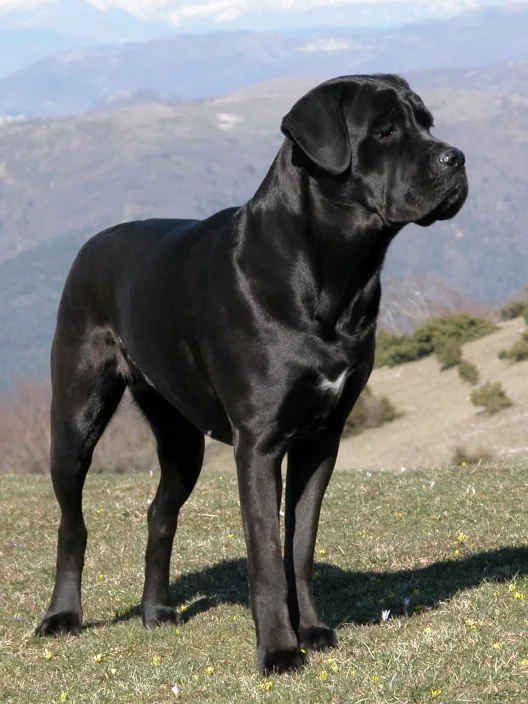
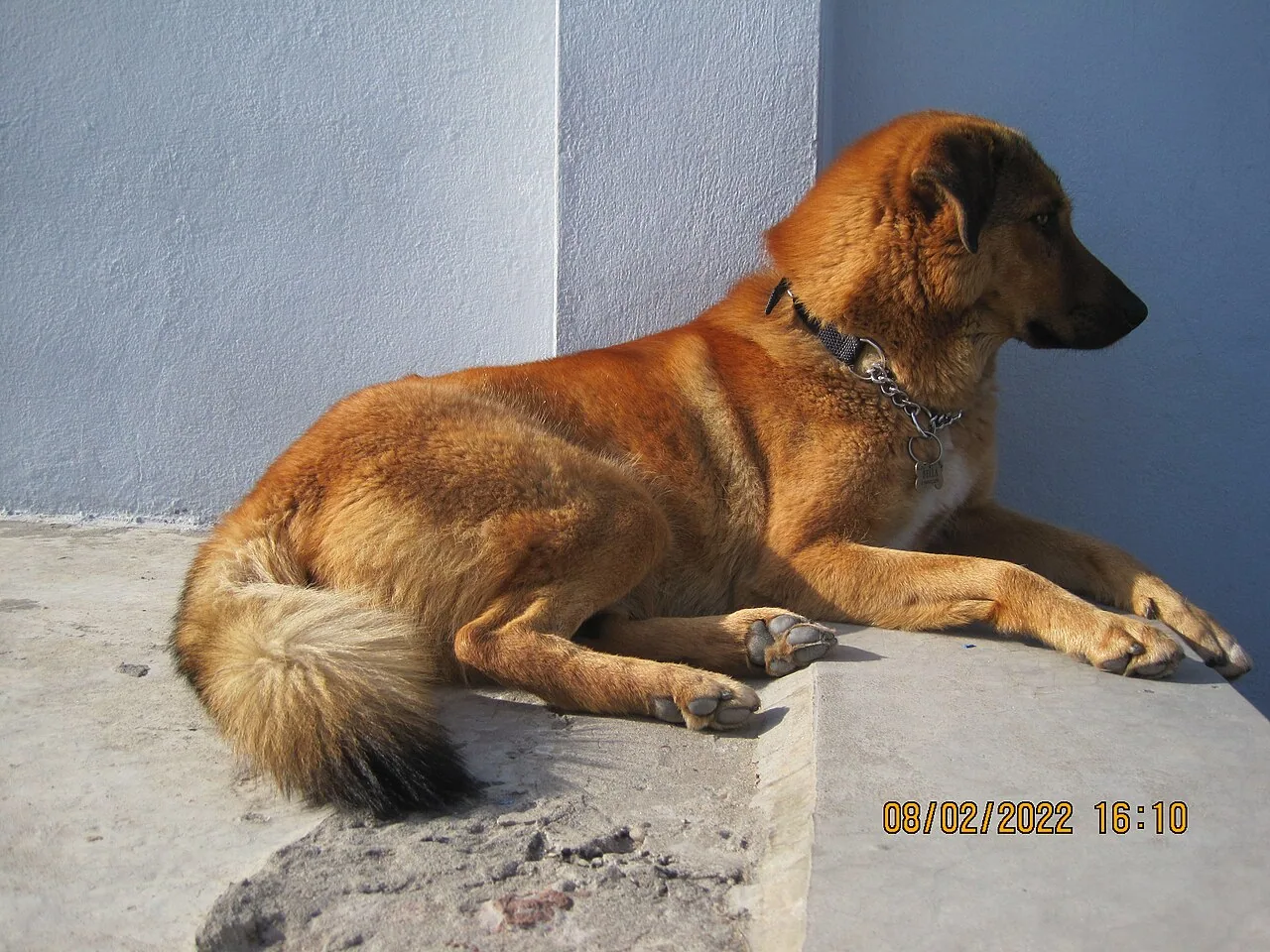
A powerful, heavy-boned, medium to large dog, agile and sturdy, with a furry coat and plumed tail. It resembles a medium-sized Tibetan Mastiff. Two types are described: the general Bakarwal and the Ladakhi Bakarwal.
The coat is mostly black with white on the toes and chest. Other colours reported include black and tan, red, fawn, pied, sable, white and brindle.
Temperament
Bred to protect flocks and settlements, the Bakharwal Dog is watchful, loyal to its herders and willing to stand its ground against predators and intruders. It is typically reserved with strangers.
Care and exercise
This is a working mountain dog that thrives outdoors with livestock and a real job, and it is not suited to a small home. It needs space, sensible socialisation and an experienced, confident handler.
The thick coat benefits from regular brushing, especially during seasonal moults.
Health
The dog is hardy in its harsh mountain home, but rabies and other diseases are a threat in the regions where it lives, so vaccination matters.