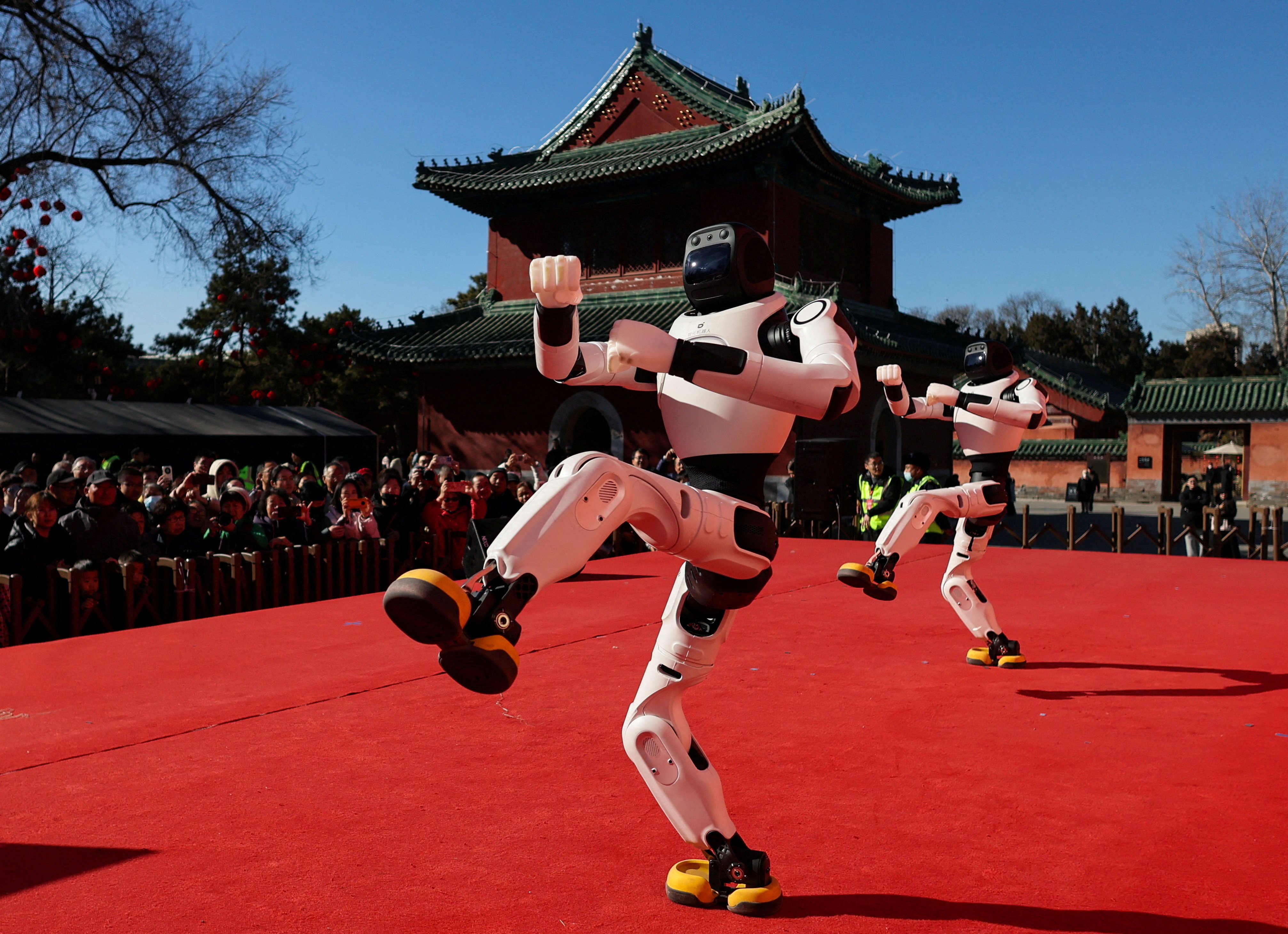
China has placed artificial intelligence at the center of its 15th Five-Year Plan (2026–2030), mentioning AI 52 times compared to just 11 in the previous plan. The "AI Plus" initiative aims to integrate AI into 90% of the Chinese economy by 2030, with the sector projected to exceed 10 trillion yuan ($1.45 trillion). Zheng Shanjie, head of China's National Development and Reform Commission, announced the targets on March 6 during the National People's Congress.
Beyond AI, Beijing outlined aggressive goals in quantum computing, 6G networks, humanoid robotics, brain-machine interfaces, and nuclear fusion. The plan calls for "accelerated breakthroughs in fundamental AI technologies, including high-performance chips and foundational models" — a direct response to U.S. export controls on advanced semiconductors. Officials also detailed plans for deploying robots in labor-shortage sectors and AI agents that can operate with minimal human guidance.
The plan also mandates a "full life-cycle risk management system" for AI, including safety monitoring, emergency protocols, ethical guidelines, and regulations around AI-generated content ownership. The dual emphasis on rapid development and safety oversight signals China's attempt to balance breakneck AI expansion with regulatory control.