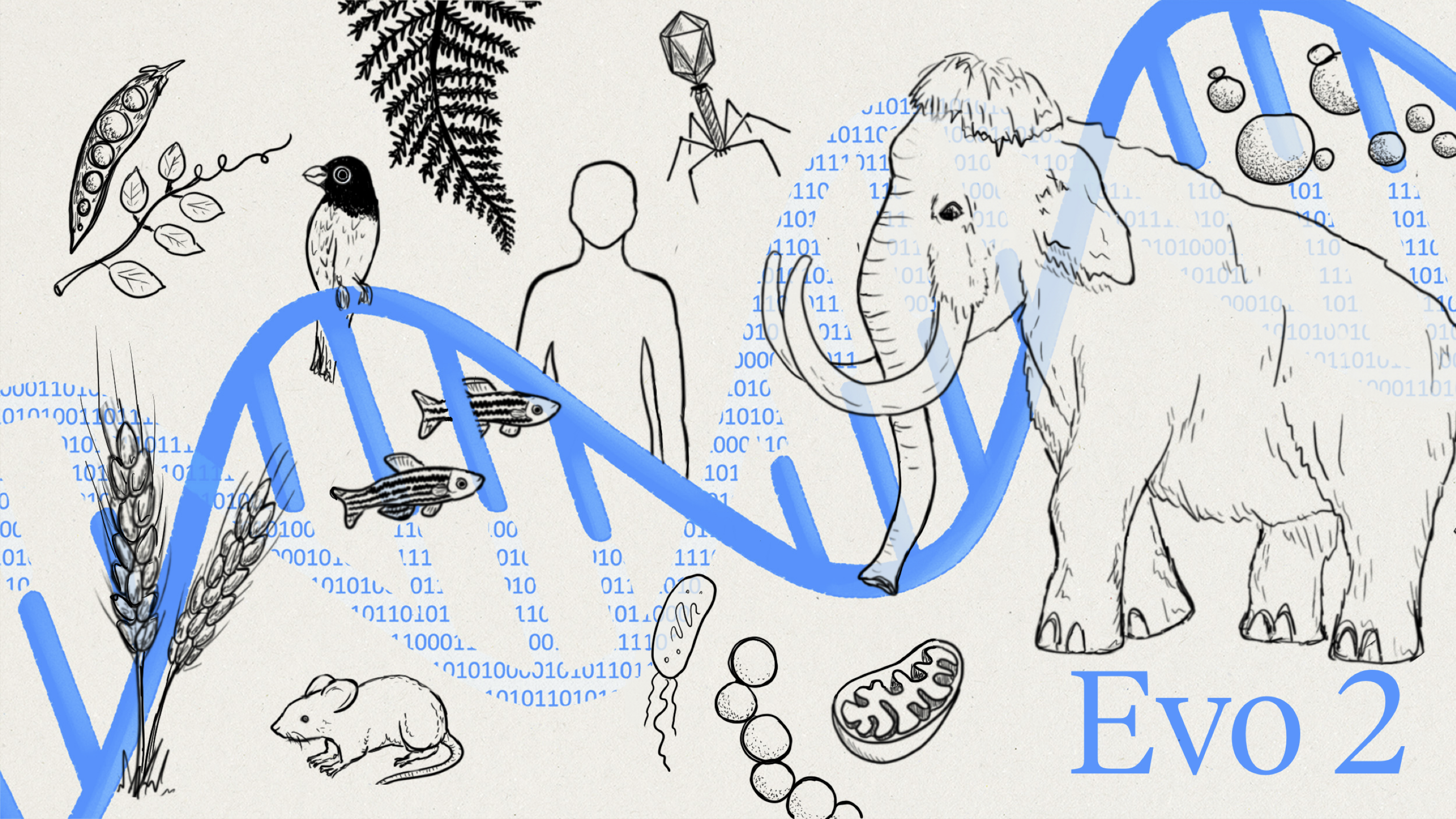
Arc Institute and NVIDIA have published Evo 2, a groundbreaking biological AI model, in the journal Nature. Trained on 9.3 trillion DNA base pairs from over 100,000 species spanning all domains of life, the 40-billion-parameter model can process genetic sequences of up to 1 million nucleotides at once — enabling it to understand relationships between distant parts of a genome.
Evo 2 can accurately predict the functional impacts of genetic variation, including clinically significant BRCA1 variants linked to breast cancer, without any task-specific fine-tuning. The model can also design entirely new genomes as long as those of simple bacteria, marking a major step toward AI-driven synthetic biology.
The research was developed by scientists from Arc Institute, NVIDIA, Stanford University, UC Berkeley, and UC San Francisco, and represents the largest biological foundation model to date.