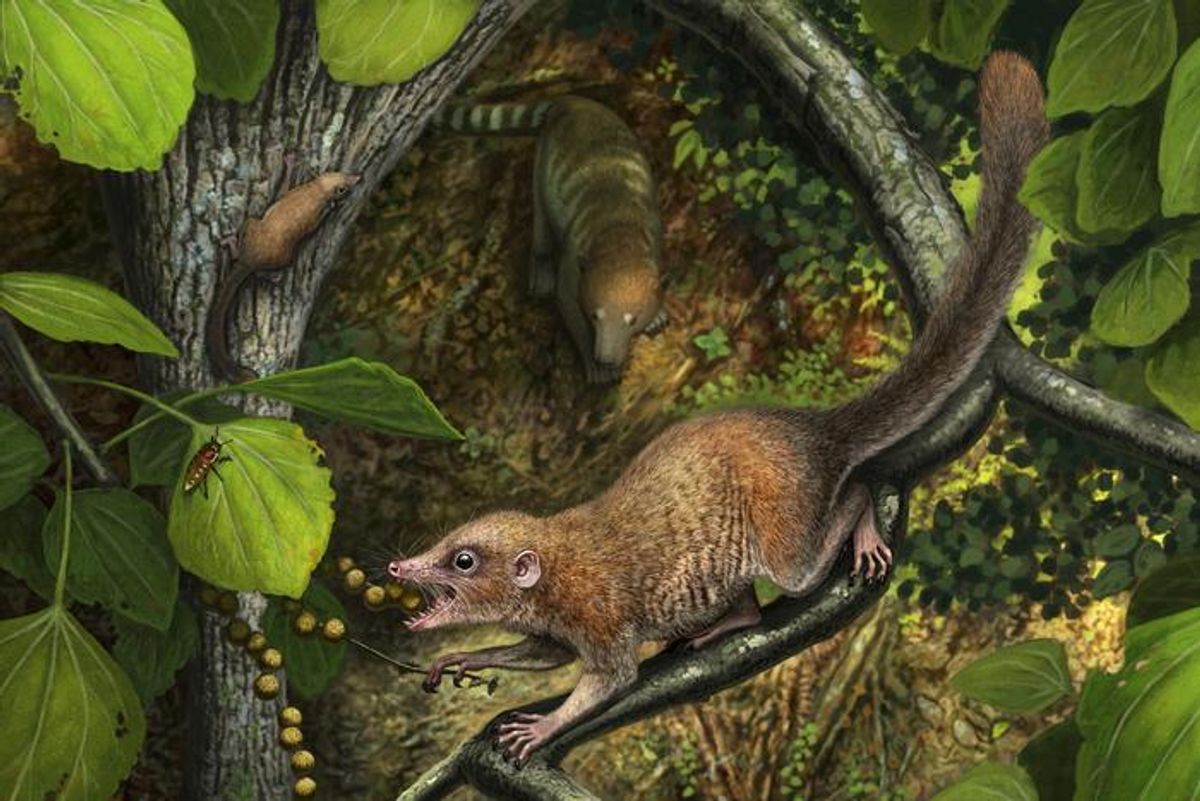
Paleontologists led by Dr. Stephen Chester of Brooklyn College (CUNY) have discovered teeth of Purgatorius — the earliest known primate relative — in Colorado's Denver Basin, marking the southernmost find of this species ever recorded. The shrew-sized mammal, previously found only in Montana and southwestern Canada, appears to have spread south within 650,000 years of the asteroid impact that wiped out the dinosaurs 66 million years ago.
The fossils, tiny enough to fit on a baby's fingertip, were recovered using screen-washing techniques at the Corral Bluffs site in collaboration with the Denver Museum of Nature & Science. Dating to approximately 65.9 million years ago, the teeth display a unique combination of features that may represent a new, early diverging species within the Purgatorius lineage.
"The presence of these fossils in Colorado suggests that archaic primates originated in the north and then spread southward," Chester said. The findings, published in the Journal of Vertebrate Paleontology, fill a critical geographic gap in understanding how our most ancient primate ancestors diversified after Earth's most famous mass extinction.