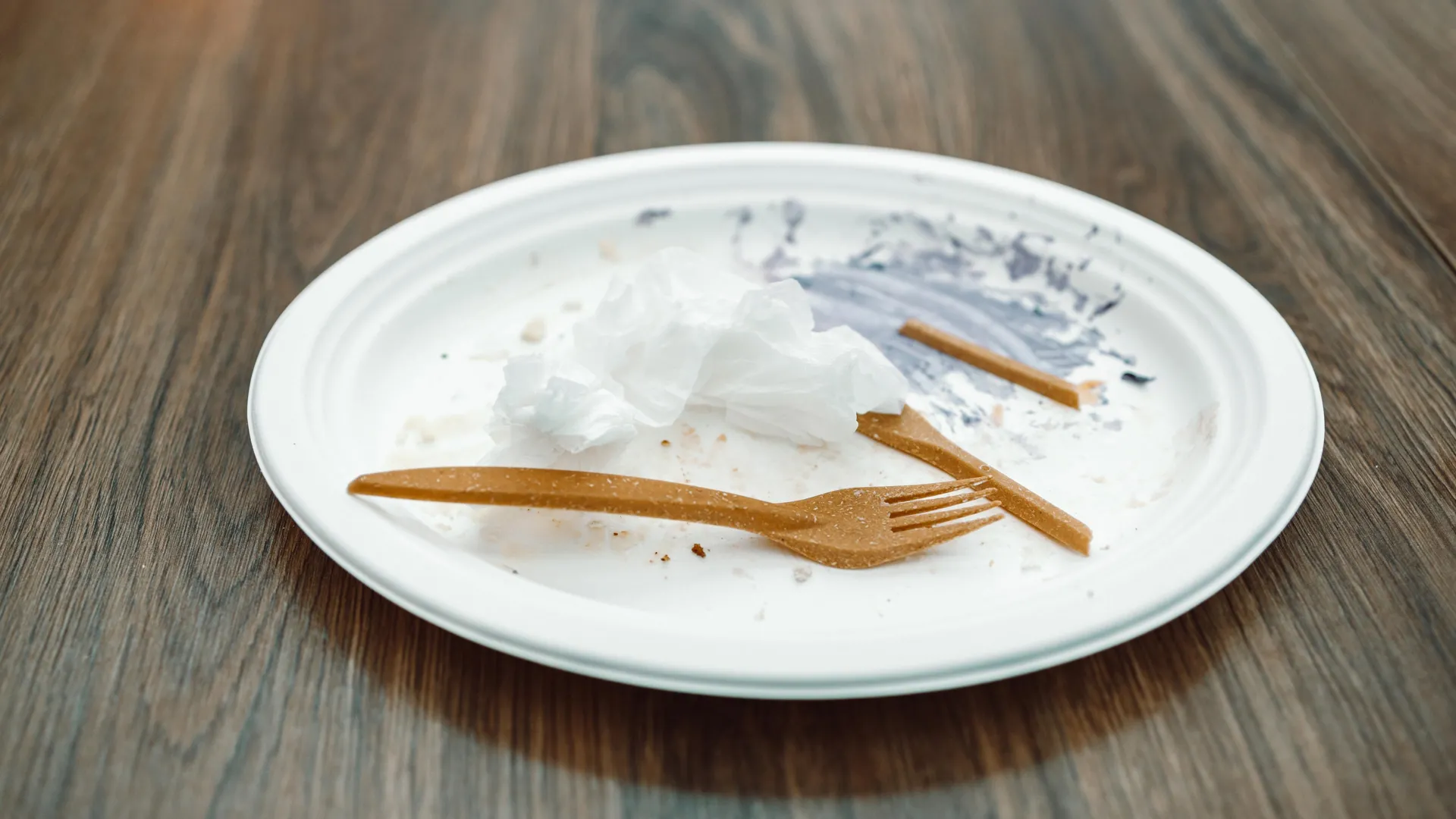
Researchers at Flinders University in Australia have developed a biodegradable packaging film made from milk protein that fully decomposes in soil within 13 weeks. The material blends calcium caseinate — a derivative of casein, the main protein in milk — with modified starch and bentonite nanoclay to create a thin, durable film designed to mimic conventional single-use plastic.
The timing is critical: global plastic production hit 475 million tonnes in 2022, with roughly 60% of all plastics being single-use and only 10% ever recycled. Without coordinated action, the OECD warns production could surge 70% by 2040. The new film addresses this by offering UV protection and reduced water vapor permeability through its nanoclay component, while maintaining low toxicity levels suitable for food packaging.
The research, a collaboration between Flinders University and Colombia's Universidad de Bogotá Jorge Tadeo Lozano, was published in the journal Polymers. The team notes that sourcing caseinates from expired pasteurized skim milk could turn dairy waste into biodegradable packaging, supporting circular economy initiatives.