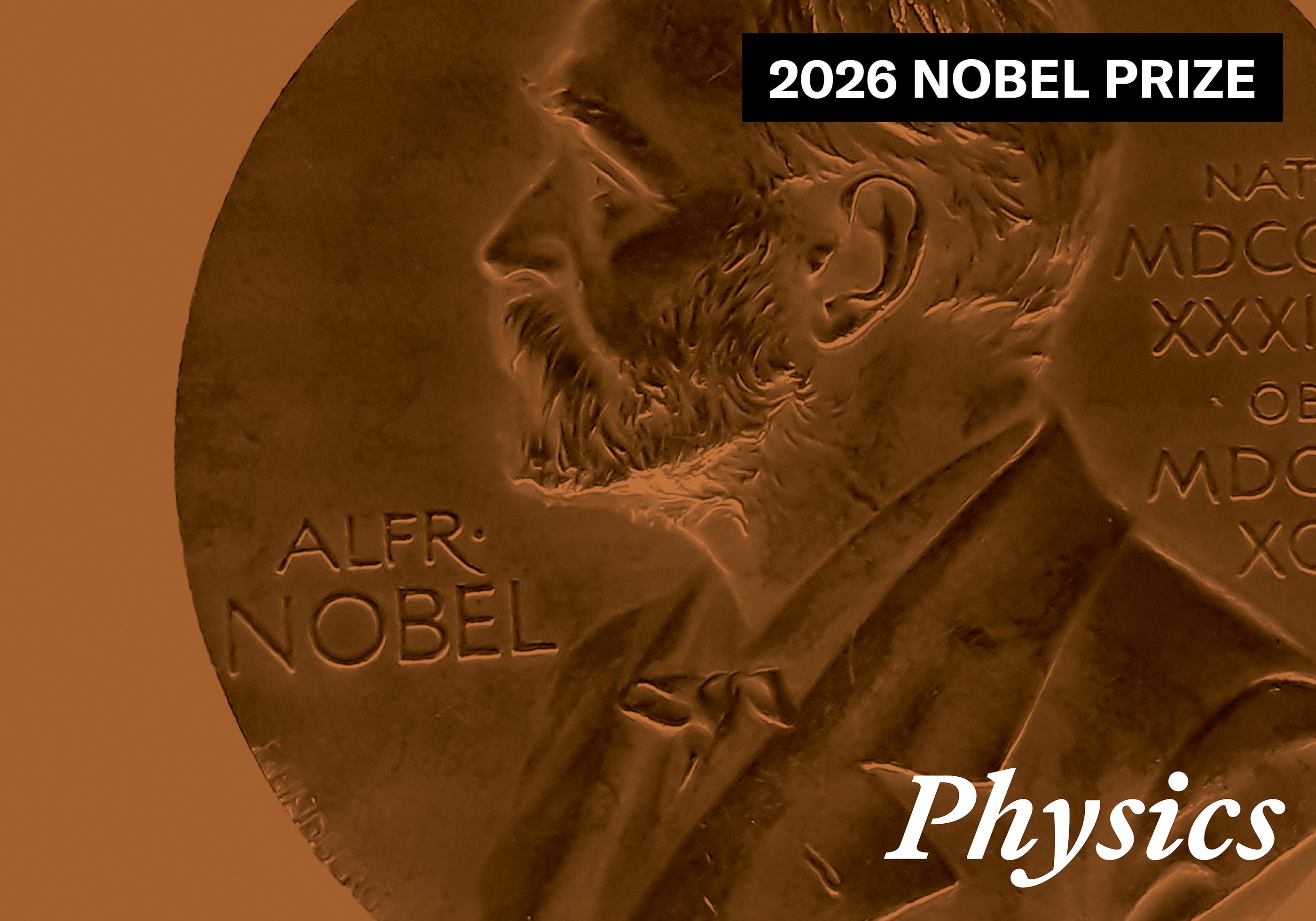
The 2026 Nobel Prize in Physics was awarded to Francis Halzen, a Belgium-born professor at the University of Wisconsin–Madison, for "decisive contributions to the IceCube Neutrino Observatory and the discovery of high-energy neutrinos of astrophysical origin."
IceCube, the world's largest neutrino telescope, sits a mile deep under Antarctic ice and came online in 2010. Built by boring holes with hot-water jets, it confirmed within a few years the first high-energy neutrinos from beyond the solar system.
It is the first single-recipient physics prize since Georges Charpak in 1992. Halzen said he hoped the award reflects "the really courageous people who joined me in the beginning of this project." The prize will be presented on December 10 in Stockholm.