Researchers led by Dr. Harry Lerner at the University of Konstanz have identified a bacterial enzyme, LCPH1, that degrades biodegradable bioplastic and disables penicillin-type antibiotics using the same wide, "Pac-Man"-shaped active site.
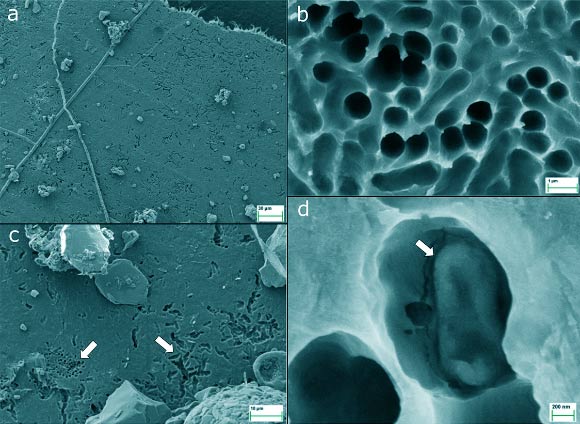
The team buried strips of a plant-oil-based bioplastic called LCAP in forest soil for more than a year, then sequenced the DNA of the microbes that thrived there. One gene stood out, encoding an esterase enzyme anchored to the bacterial cell surface. In lab tests, it broke plastic polyester chains into monomers and cleaved penicillin and ampicillin, stripping their antimicrobial power.
The structure resembles known beta-lactamases, the proteins bacteria use to resist antibiotics, suggesting plastic degradation and antibiotic resistance may share evolutionary roots even though plastic has existed in the environment for only 50-75 years. The findings were published in The ISME Journal.