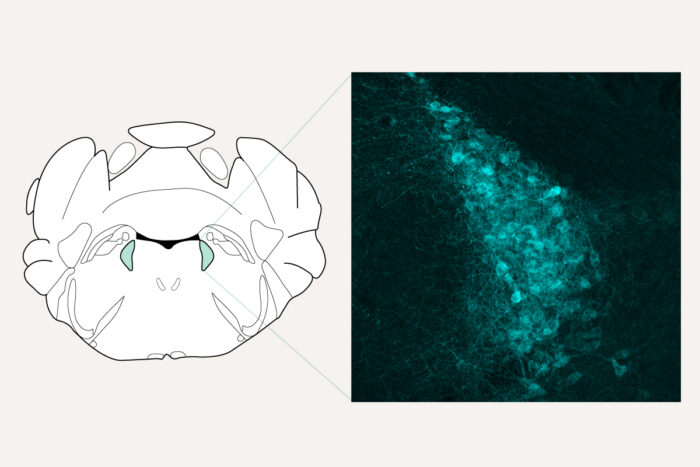
Researchers at Washington University School of Medicine in St. Louis have identified a natural brain circuit that can suppress chronic neuropathic pain, pointing to a possible new class of targeted pain therapies. The study, led by Jordan McCall and published August 17 in Current Biology, focused on the locus coeruleus, a small brain region that governs alertness and stress.
The team found that mu opioid receptors on cells in this region act as a biological brake on pain signals traveling through the spinal cord. In mice with nerve damage, deleting these receptors made the animals far more sensitive to touch and heat, while restoring the receptors reversed that hypersensitivity and effectively turned the pain off.
Unlike conventional opioid painkillers, which act on receptors throughout the entire body and brain and carry high risks of tolerance and addiction, this circuit is highly localized. McCall's team says that gives it real potential as a target for future neuropathic pain treatments that could relieve suffering without the systemic side effects of standard opioids.