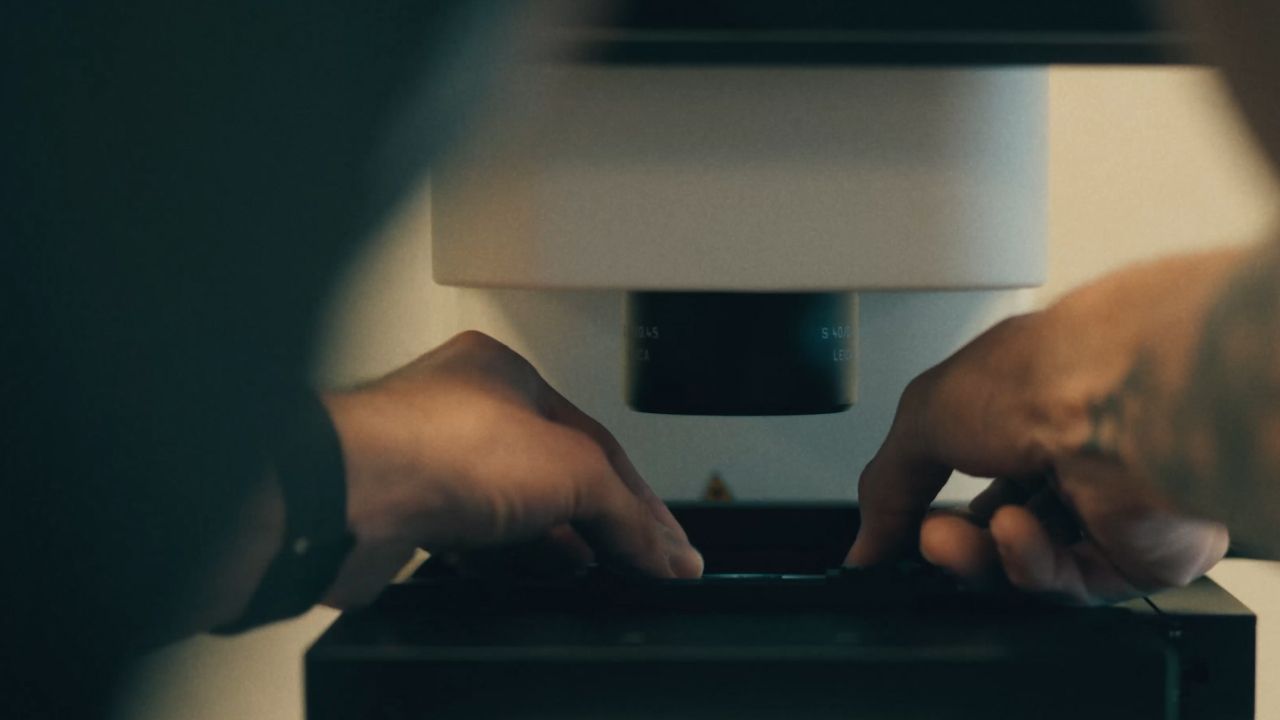
Anthropic unveiled the Model Hardware Standard (MHS), a shared specification letting AI agents safely operate physical devices like lab instruments and manufacturing equipment. It replaces custom, device-specific integrations with standardized "read" and "write" drivers, automatic device discovery, and natural-language tags describing each device's specs and safety limits — cutting integration time from weeks to hours.
The clearest result so far comes from QuEra Computing, which used MHS to automate laser frequency stabilization in its quantum computers. A hand-coded script had managed only a 58% recovery success rate at roughly 150 seconds per attempt. Running overnight with Claude through MHS, the system reached 99.3% success with recovery times of just 0.9 to 14 seconds, after the agent restructured the process into an adaptive decision tree.
Early adopters include Genentech, Carnegie Mellon, HHMI Janelia and the University of Washington's Baker lab, while hardware vendors such as AWS, Danaher, Tecan, QIAGEN and Universal Robots are adding support. MHS integrates via the Model Context Protocol and is currently in research preview, with Anthropic planning to open-source it later, following the path it took with MCP in 2024.