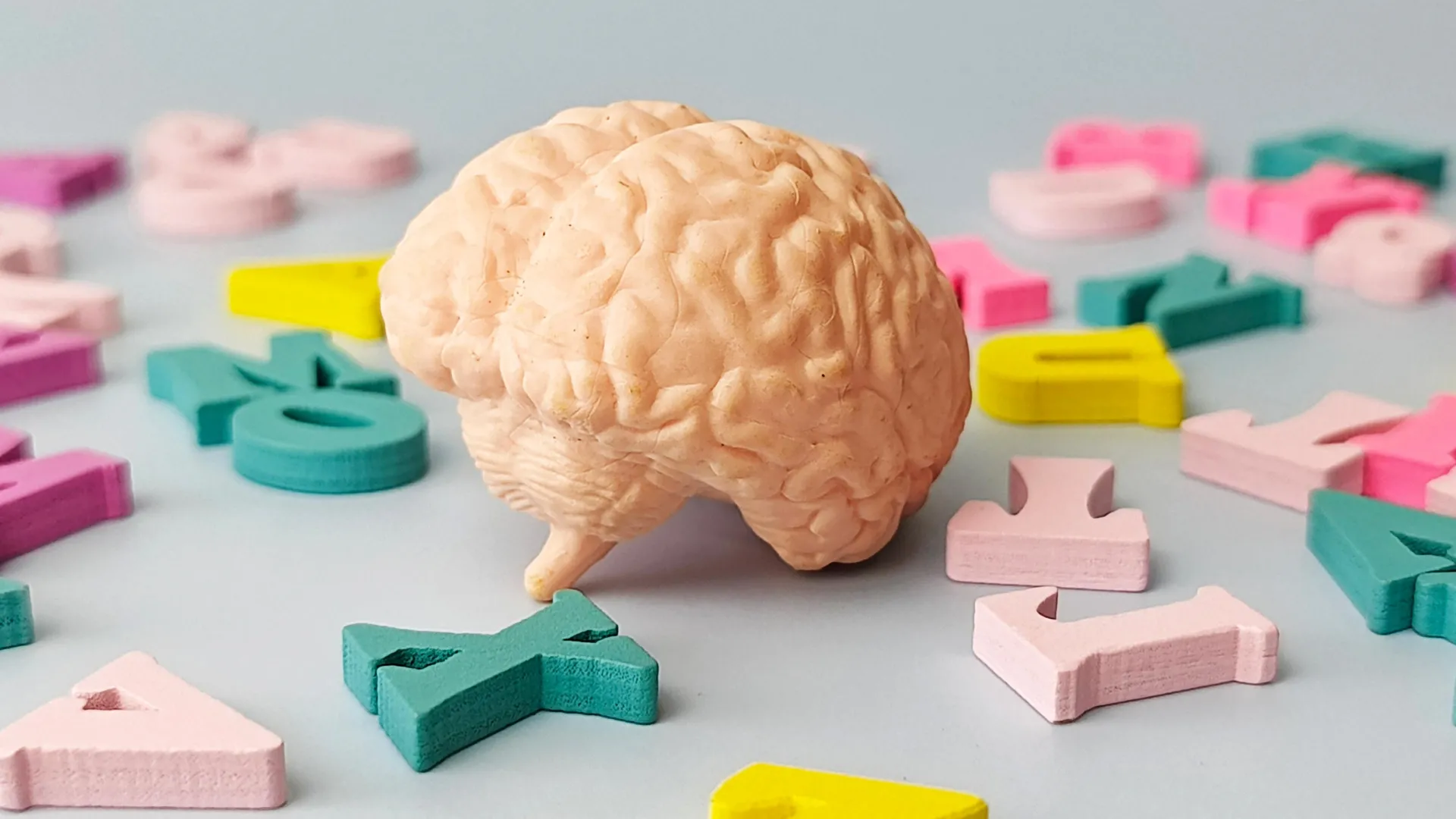
A new study presented at the FENS Forum 2026 in Spain found that multilingual speakers show measurably younger brain-aging patterns than people who speak only one language. Researchers led by Dr. Lucia Amoruso at the Basque Center on Cognition, Brain and Language analyzed 728 participants from Spain's Basque region who spoke between one and four languages, including Spanish, Basque, French and English.
Using magnetoencephalography to record brain activity and an AI model to build a "brain aging clock" from connectivity patterns, the team found bilingual speakers had brains that looked about 6 years younger than their chronological age, trilingual speakers about 7 years younger, and speakers of four languages roughly 13 years younger. The findings were validated against a separate group of 144 participants.
"People who spoke more languages tended to have brains that looked younger than expected for their chronological age," Amoruso said. Higher fluency and earlier language acquisition strengthened the effect. The researchers controlled for age, sex and education, but caution the study can't prove multilingualism directly slows brain aging — it may instead reflect broader lifelong cognitive engagement.