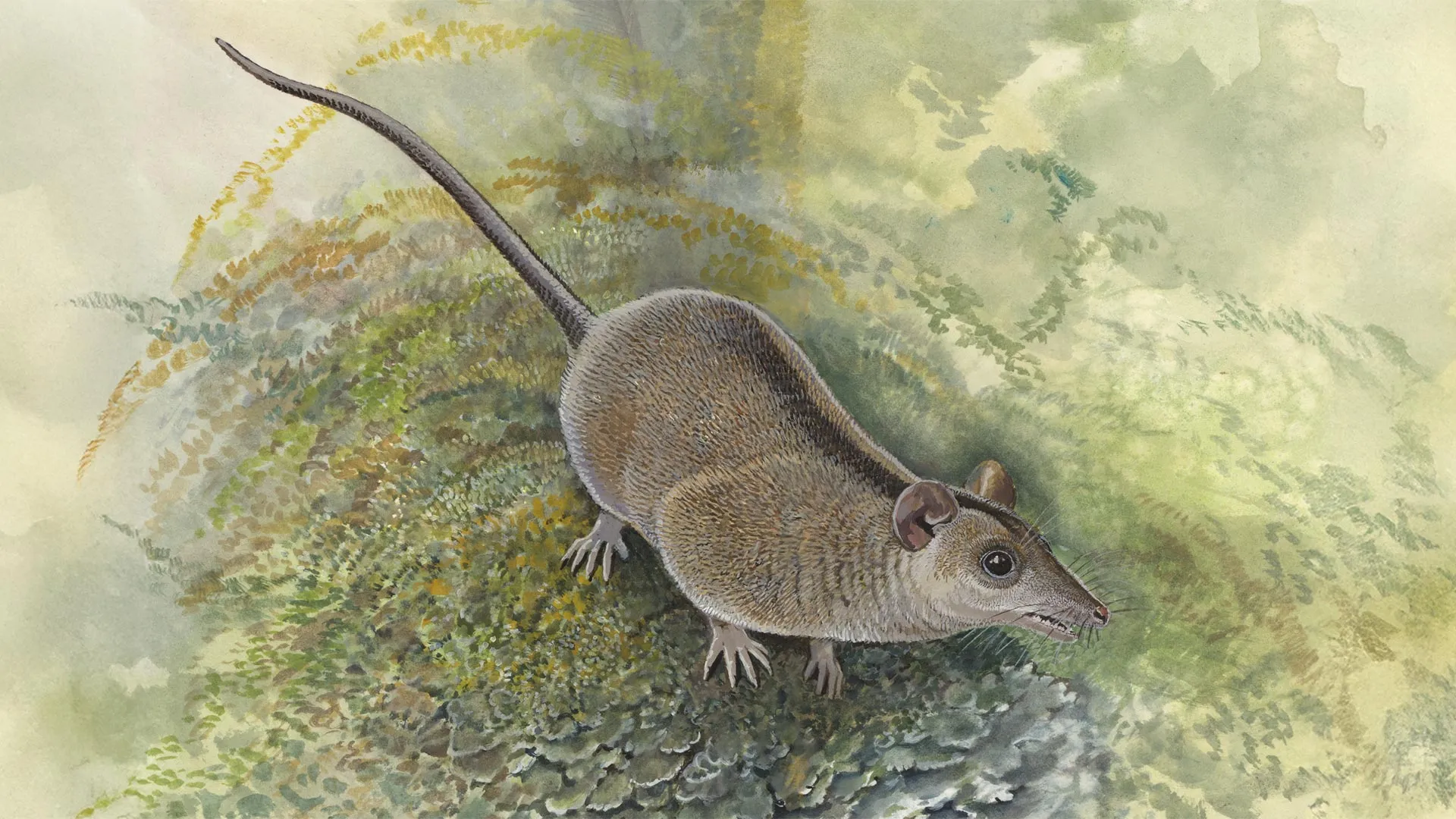
Paleontologists at the University of New South Wales have identified an entirely new order of ancient marsupials, dubbed Keeunamorphia, from fossilized jaw fragments and teeth unearthed at Queensland's Riversleigh World Heritage Area. The find adds a sixth branch to the family tree of Australian marsupial orders.
The fossils belong to three previously unknown species, including Phantasmodon travouilloni and Phantasmodon minuferox, small shrew-to-mouse-sized insect-eaters weighing between 25 and 200 grams that lived around 18 million years ago during the Early Miocene. A distinctive bump on their molars, called a central cusp, sets them apart from every other known Australian marsupial group.
Lead researcher Dr. Tim Churchill says the lineage likely originated in Gondwana more than 50 million years ago and persisted in Australia for roughly 35 million years before vanishing about 15 million years ago, potentially making it the most ancient lineage of Australian marsupials known. Some anatomical features also hint at ancient links to early South American marsupials, tracing back to when the continents were still joined.