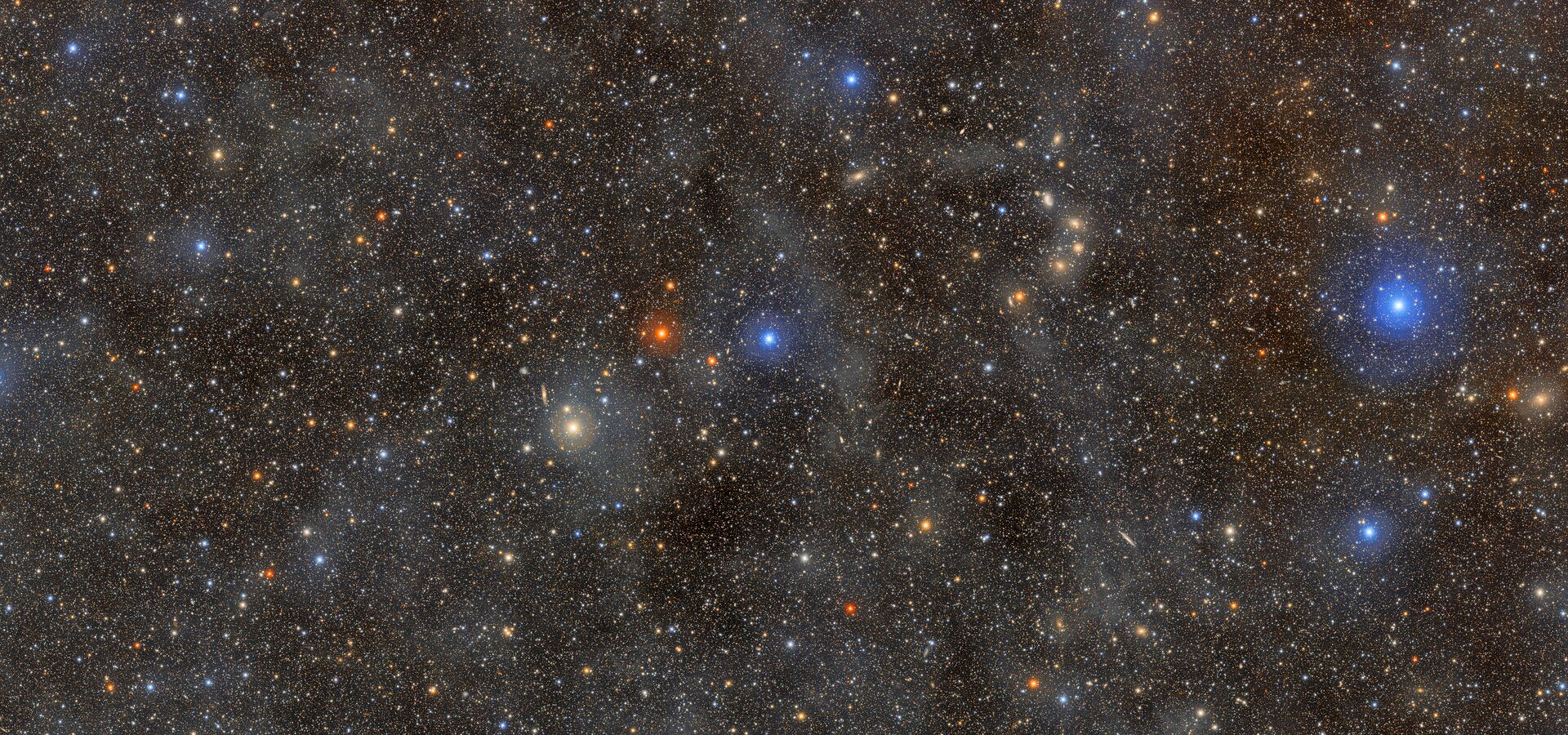
The NSF-DOE Vera C. Rubin Observatory in Chile officially began its Legacy Survey of Space and Time (LSST) on June 30, 2026 — a decade-long project to photograph the entire southern sky on repeat. Its 3,200-megapixel camera, the largest digital camera ever built, captures a new detailed image roughly every 40 seconds, taking about 1,000 exposures and collecting around 10 terabytes of data each night.
The survey will revisit every point in the sky some 800 times over ten years, generating up to 7 million alerts per night about anything that changes or moves — from exploding supernovae to near-Earth asteroids. In just the 1.5-month commissioning period before the official start, Rubin already discovered more than 11,000 previously unknown asteroids, including 33 near-Earth objects.
"Today, we begin filming the greatest cosmic movie ever made," said Brian Stone, who is performing the duties of the NSF Director. The final dataset is expected to contain billions of astronomical objects and trillions of individual measurements, giving scientists an unprecedented tool to probe dark matter, dark energy, and the structure of the universe over time.