Researchers at Tufts University have developed a neuro-symbolic AI system that slashes energy consumption by 100 times compared to conventional approaches while nearly tripling task accuracy. The hybrid architecture, led by Professor Matthias Scheutz, combines neural networks with symbolic reasoning — mimicking how humans break problems into logical steps rather than relying purely on pattern recognition.
The system achieved a 95% success rate on structured manipulation tasks like the Tower of Hanoi puzzle, compared to just 34% for standard Vision-Language-Action (VLA) models used in robotics. Training took only 34 minutes versus over a day for traditional methods, using just 1% of the energy. During operation, the system consumed only 5% of the energy needed by conventional approaches.
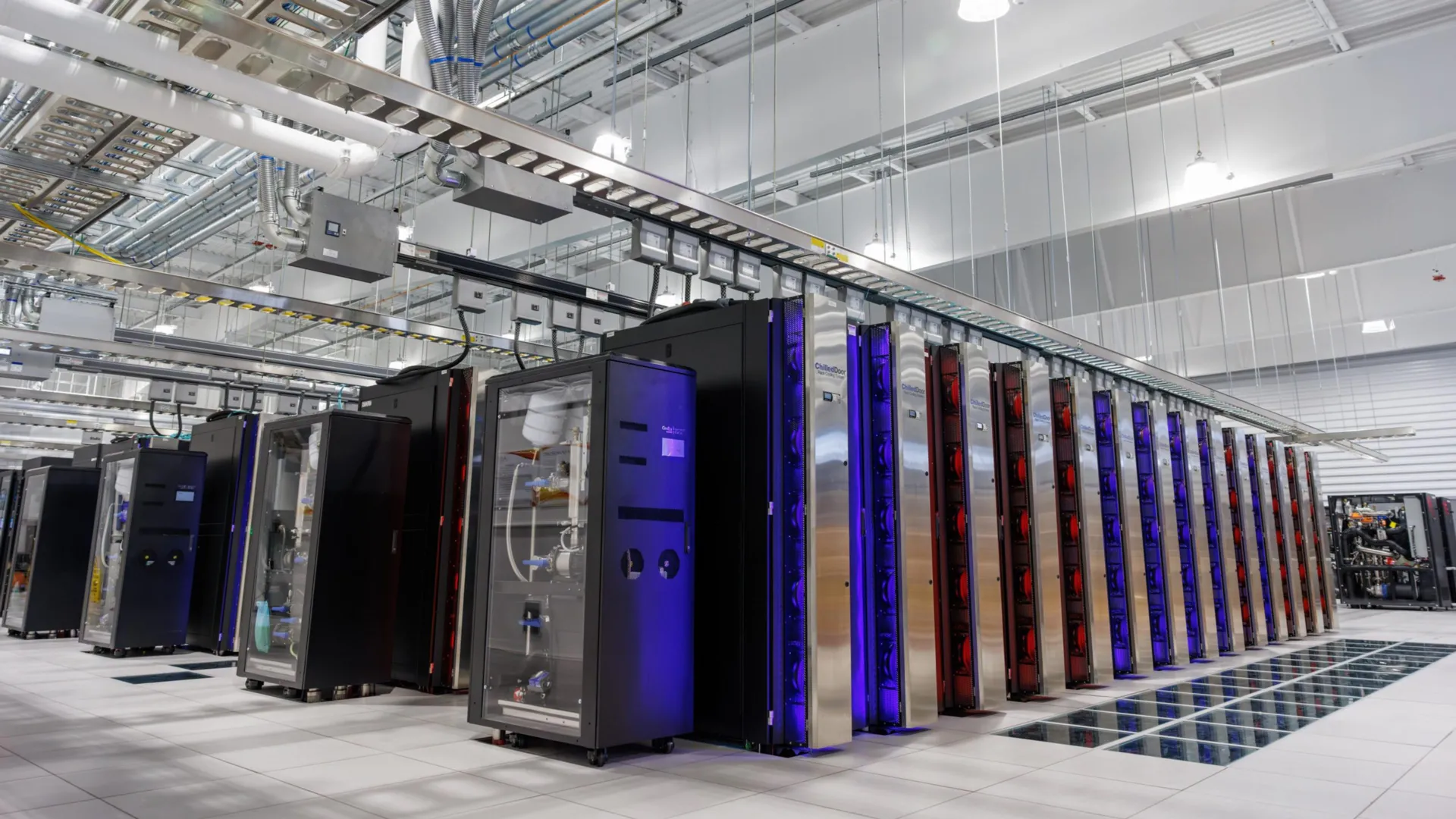
The research will be presented at the International Conference of Robotics and Automation in Vienna in May. As AI's energy footprint becomes a growing concern — with data centers consuming ever more power — this breakthrough suggests that smarter architectures, not just bigger models, may hold the key to sustainable AI.