Overview
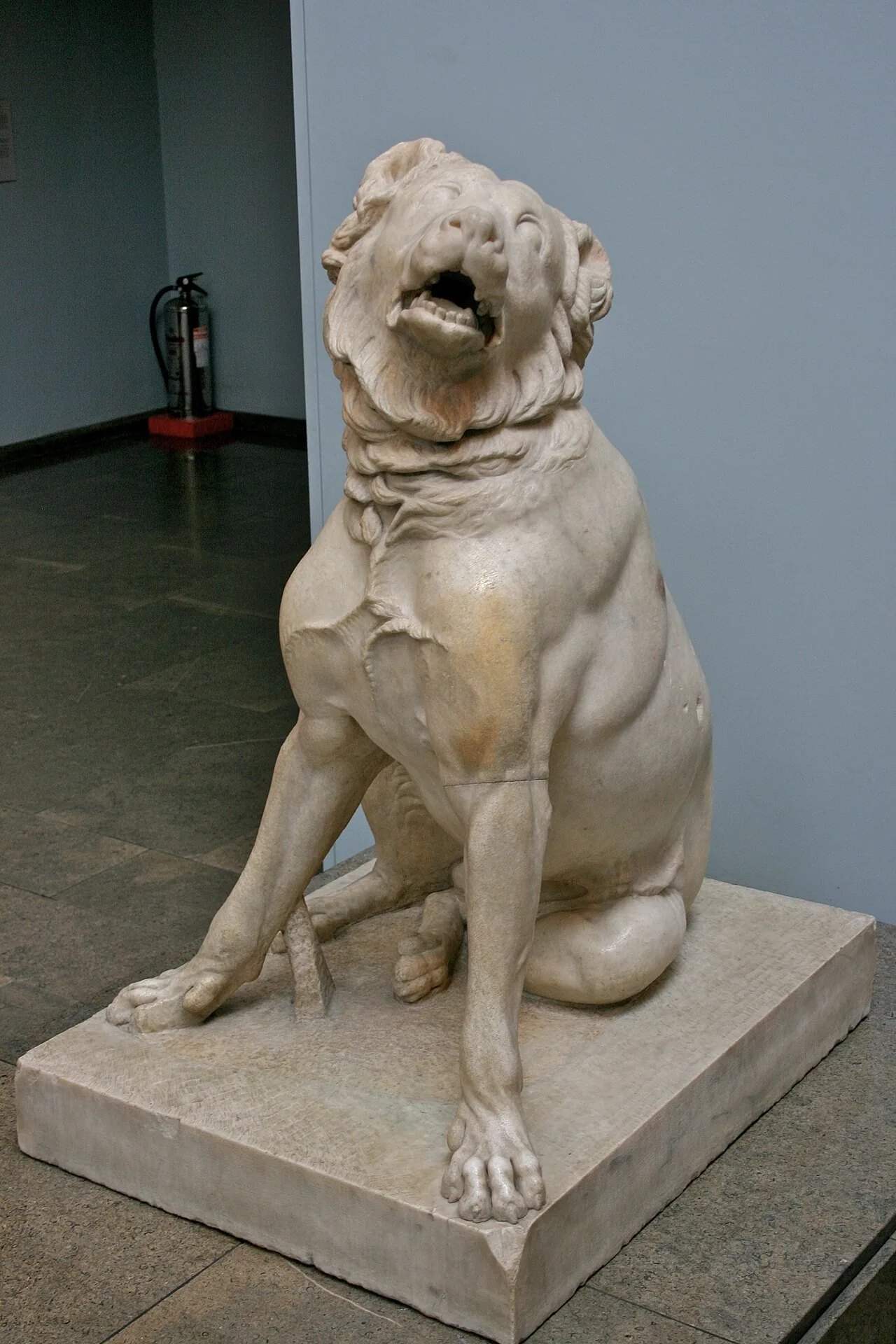
The Molossus was an ancient dog breed from Epirus in Greece, famous across the classical world for its size and ferocity. It appears in the works of many Greek and Roman authors and even on Molossian coins.
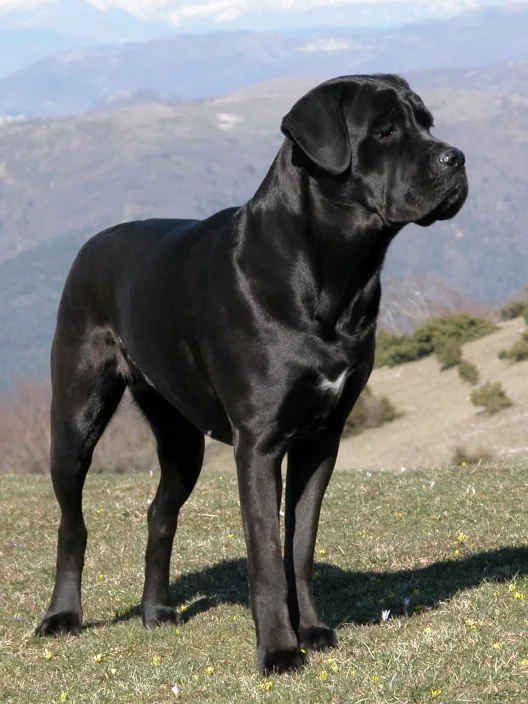
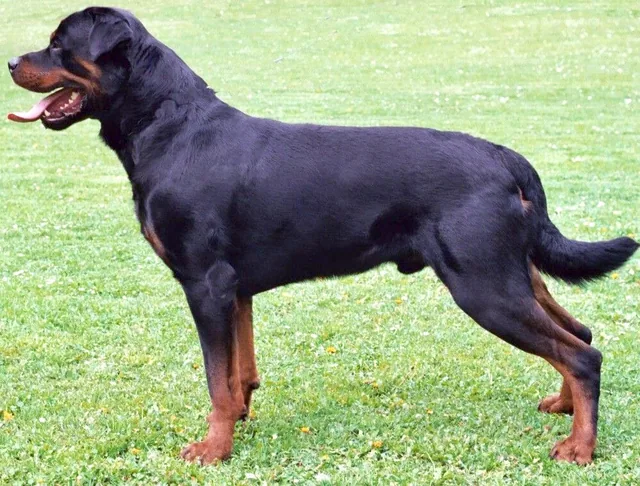
The breed no longer exists. Its name lives on in the term molossoid, used by kennel clubs for mastiff-type dogs.
History
The Molossians of Epirus kept these dogs, and they were so renowned that the tribe put a Molossus on its silver coinage. Aristotle noted that those used for hunting looked like other dogs, while those that followed sheep were larger and fiercer against wild beasts. Crosses with the Laconian dog were praised for courage and stamina.
A popular theory holds that all mastiffs descend from the Molossus, spread by the Romans or by Alexander the Great, but many experts question this for lack of evidence. In Greek myth, the goddess Artemis gave Procris a hound from which both the Molossian and Laconian hounds were said to descend.
Appearance
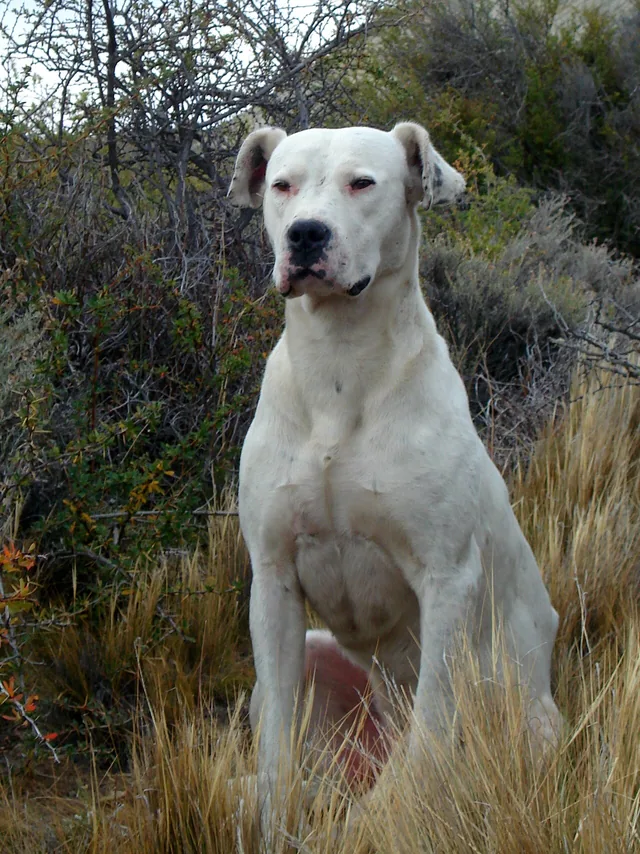
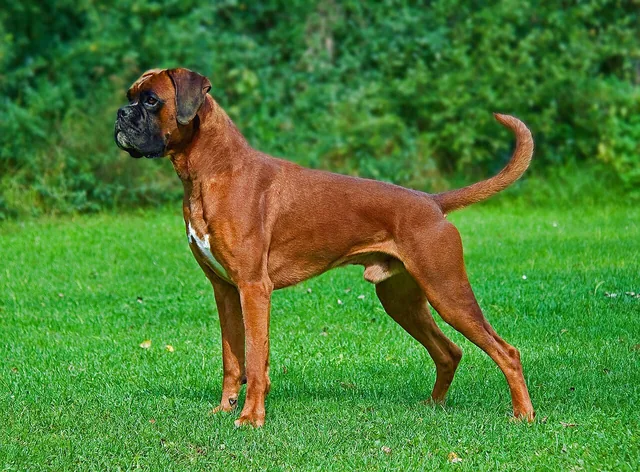
No exact measurements survive. The Molossians probably kept two types: a hunting dog with a broad muzzle, something between a Great Dane and a heavily built Saluki, and a larger livestock guardian dog.
Both were big, powerful dogs, which impressed ancient writers with their size and strength.
Temperament
Ancient authors described the Molossus as bold, fierce and tireless, with strong guarding instincts against wolves and other predators. It was valued for courage and endurance of hard labour.
It is described as a dog that was loyal to its flock and keeper, but its temperament is known only through classical accounts.
Care and exercise
As the breed is extinct, there are no care requirements. In its own time it was a working dog, kept outdoors with flocks and used for guarding and hunting, and not a household companion.