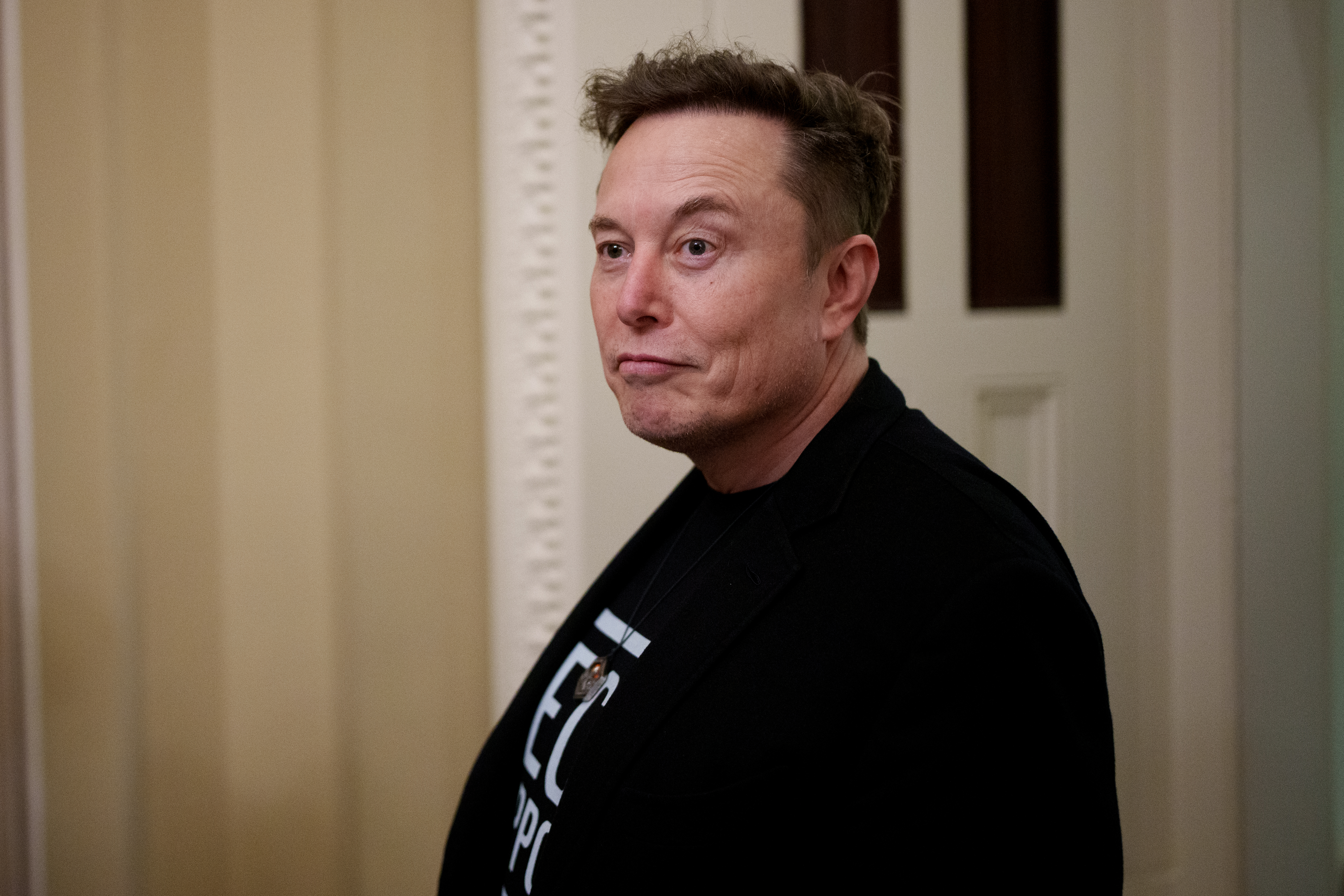
SpaceX is preparing for what could be the largest IPO in history, targeting a confidential filing in March 2026 with a June listing. The company aims to raise up to $50 billion — more than all 90 IPOs from last year combined ($44 billion) — at a valuation of $1.5 to $1.75 trillion, which would make it the second-largest public offering ever behind Saudi Aramco.
The merged SpaceX-xAI entity reported approximately $15 billion in 2025 revenue and $8 billion in EBITDA, but posted a $2.4 billion loss in the first nine months and has generated zero net earnings in 23 years of operation. Starlink, with 9 million active users across 155 countries and over 9,300 satellites in orbit, remains the key growth driver. PitchBook analysts called the $1.75 trillion price tag "justifiable" based on long-term potential.
Wall Street banks stand to earn roughly $1 billion in underwriting fees alone, with additional billions from share underpricing. Musk may explore alternatives like direct listings to reduce costs. Meanwhile, investors are flooding into special purpose vehicles to secure pre-IPO shares, though experts warn of high fees and questionable equity claims in many of these structures.