Researchers at EPFL in Switzerland have developed lipid-coated nanopores that generate roughly 15 watts per square meter of osmotic energy — two to three times more than existing polymer membrane technologies. The breakthrough, published in Nature Energy, could bring "blue energy" harvested from the mixing of saltwater and freshwater significantly closer to commercial viability.
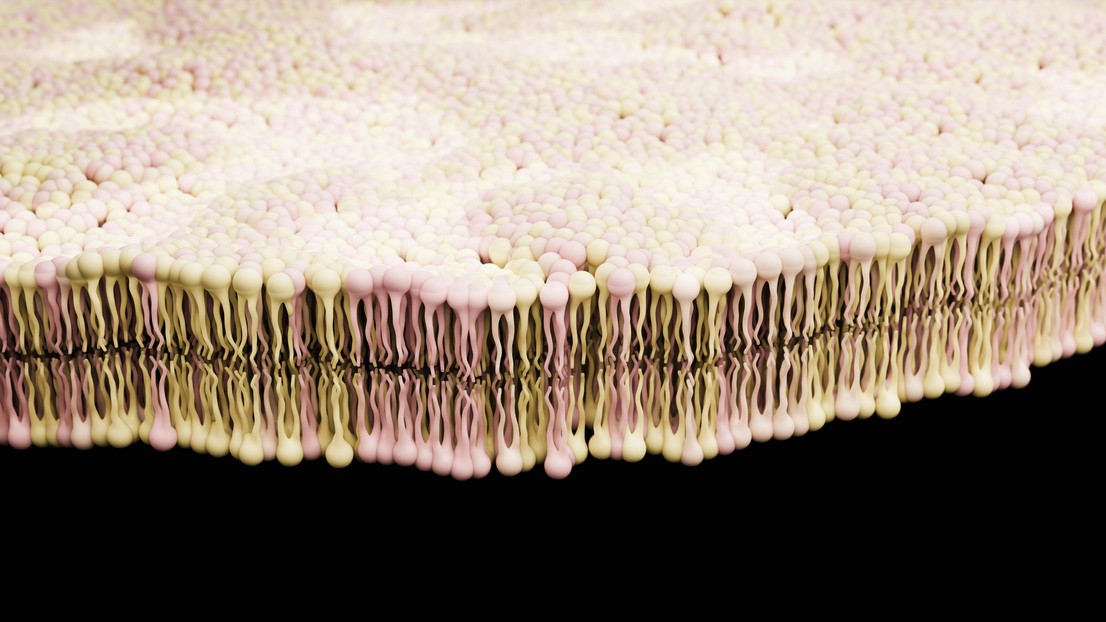
The team, led by Aleksandra Radenovic at EPFL's Laboratory for Nanoscale Biology, coated 1,000 stalactite-shaped nanopores in silicon-nitride membranes with lipid bilayers — the same fat-molecule structures found in human cell membranes. These coatings create a thin water film that acts as a permanent lubricant, allowing ions to slip through with far less friction while maintaining high selectivity.
The technique solves a longstanding trade-off in osmotic energy: membranes that let ions flow quickly are usually less selective. Researcher Yunfei Teng noted the "hydration lubrication" principle can extend beyond blue energy to optimize other nanofluidic systems.