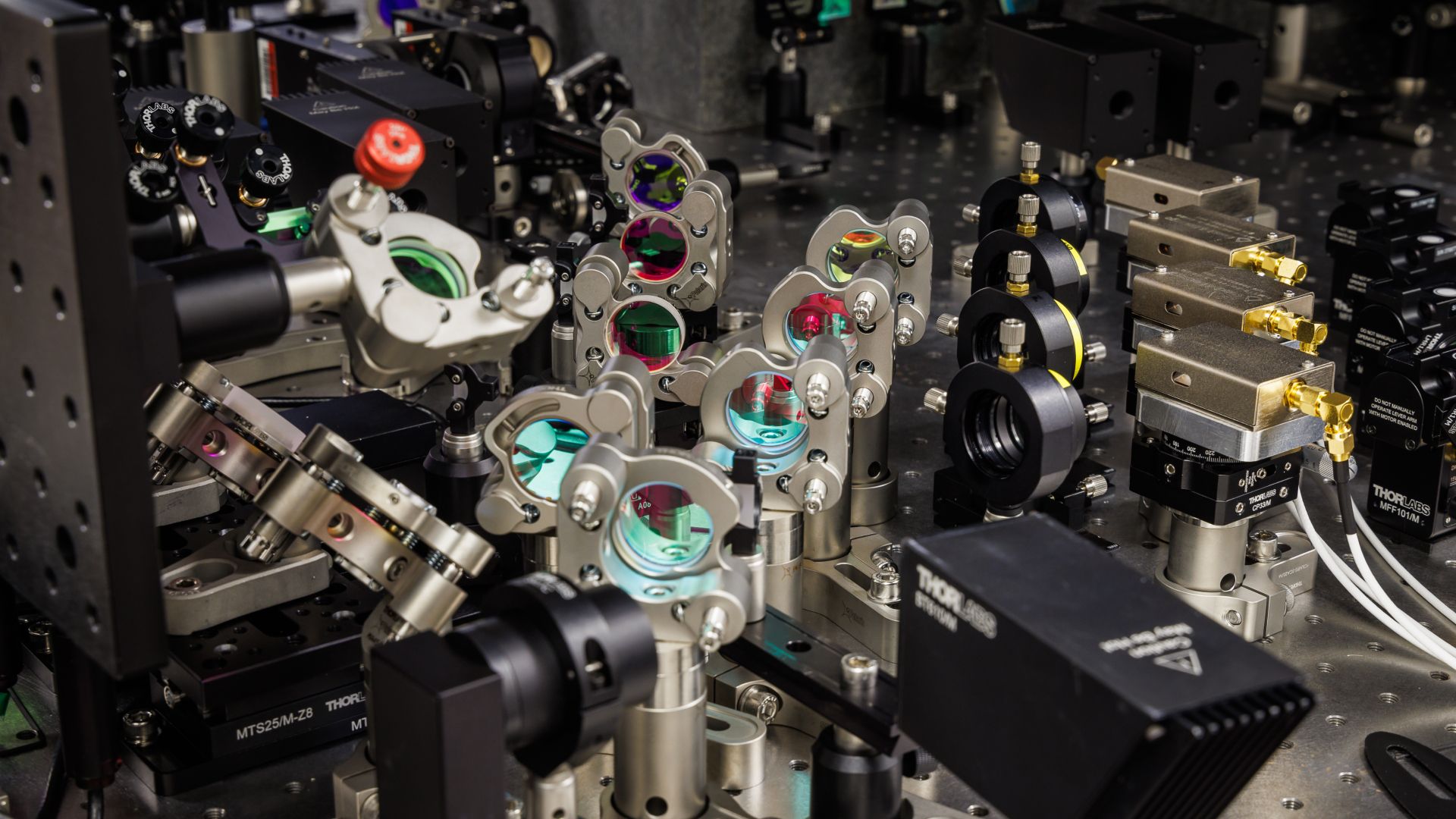
Microsoft researchers have created a revolutionary data storage system using ordinary borosilicate glass that can preserve information for at least 10,000 years. The team used high-energy lasers to create mini plasma explosions that imprint nanoscale deformations into 3D layers within the glass. A single 12-centimeter-wide, 2-millimeter-thick glass square can hold 4.8 terabytes of data — equivalent to roughly two million printed books.
The breakthrough, published in Nature, addresses a critical problem in modern archiving: current magnetic tapes and hard drives degrade within about ten years and require constant migration to new media. Microsoft's glass storage showed no degradation in accelerated aging tests at 290°C, and scientists estimate data could survive tens or hundreds of times longer at room temperature. The technology, part of Microsoft's Project Silica running since 2019, is designed for cold archival storage — climate records, historical documents, and reference materials that don't need frequent access.