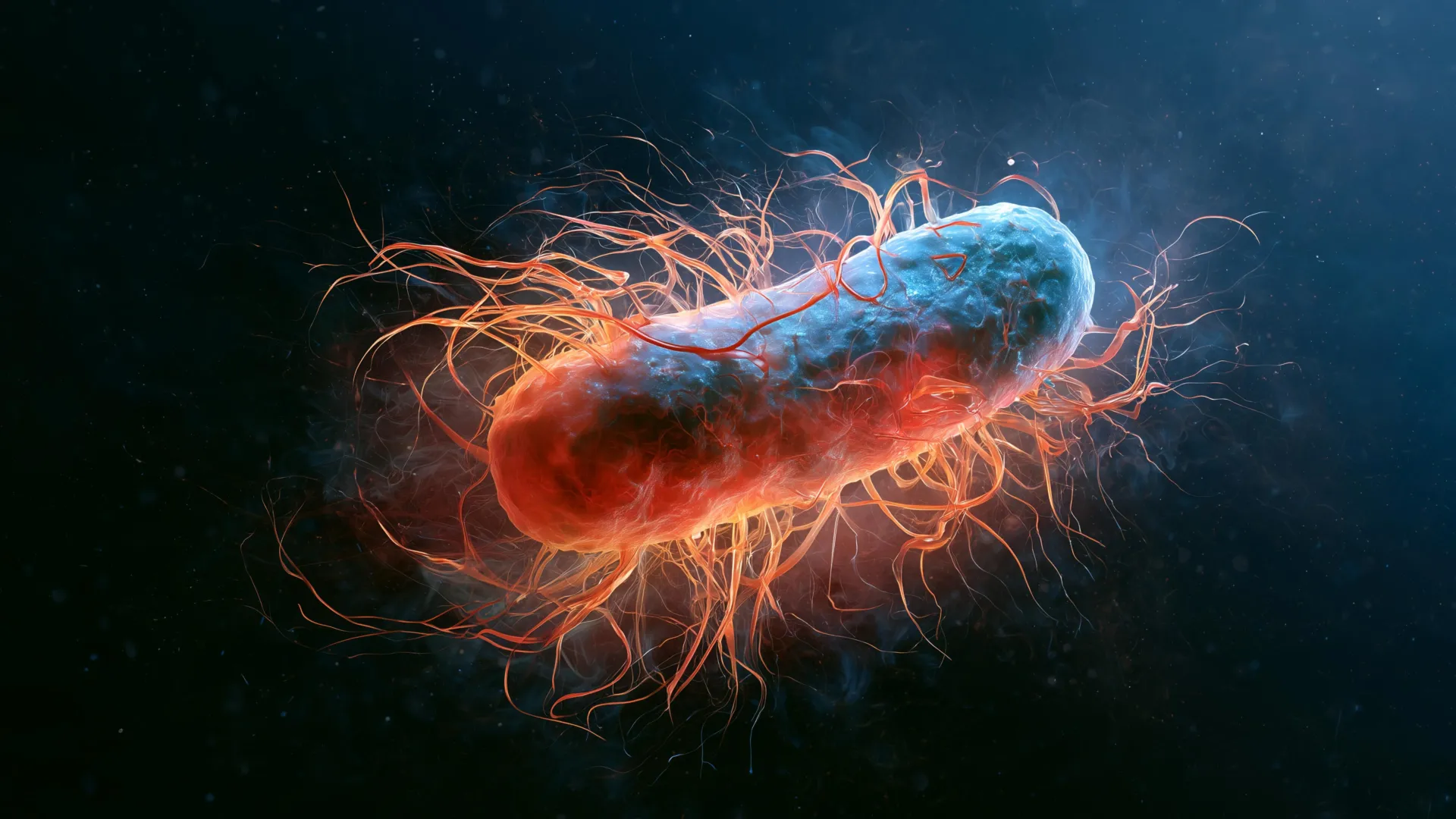
Researchers at the Hefei Institutes of Physical Science, part of the Chinese Academy of Sciences, found that feeding C. elegans worms a magnetotactic bacterium called Magnetospirillum magneticum AMB-1 extended their average lifespan by 43.39% while preserving neurological function and intestinal integrity into old age.
Led by Prof. An Xu, the team traced the effect to suppression of ferroptosis, a form of cell death driven by iron buildup and oxidative damage to fats within cells. AMB-1 lowered iron accumulation and lipid peroxidation in the worms, and three genes -- ftn-1, bli-3, and ads-1 -- were identified as key to the pathway.
The bacterium's ability to produce magnetosomes, internal magnetic particles, proved essential: wild-type AMB-1 delivered a much stronger longevity boost than non-magnetotactic strains, suggesting the magnetic properties themselves, not just the microbe, drive the anti-aging effect. The study was published in Free Radical Biology and Medicine.