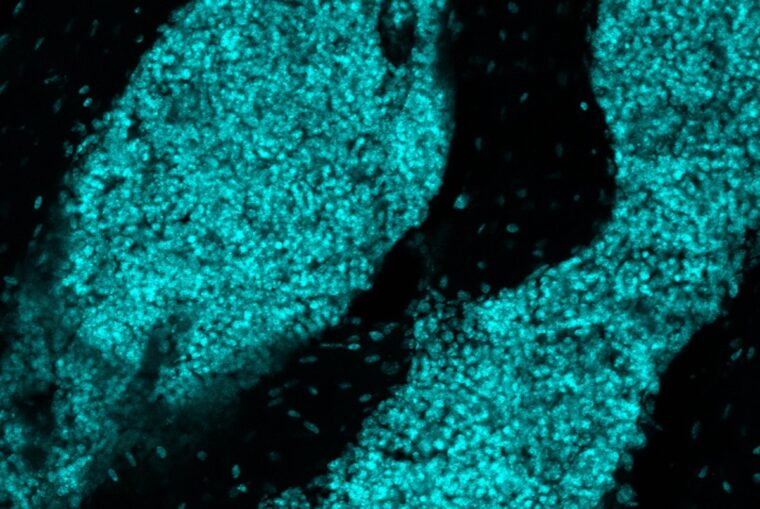
Researchers at Washington University School of Medicine in St. Louis have identified a previously unknown immune organ hidden inside skull bone marrow, according to a study published August 19 in Nature. The structures resemble lymph nodes and act as rapid first responders against brain tumors, activating before signals even reach the body's more distant lymph nodes.
Led by neuroscientist Jonathan Kipnis, the team traced proteins leaking from the brain through channels into the skull bone marrow, where they found organized immune hubs. Similar immune cells turned up in human skull bone marrow too, suggesting the defense system is not limited to mice. In glioblastoma models, disrupting these skull hubs made tumors grow faster, while a gel of three immune-boosting proteins applied under the scalp improved tumor rejection and extended survival.
"The skull bone marrow is far more than just a structural framework — it harbors previously unrecognized hubs for brain-specific immune responses," Kipnis said, adding the discovery could reshape treatment approaches for Alzheimer's, Parkinson's, schizophrenia and long COVID.