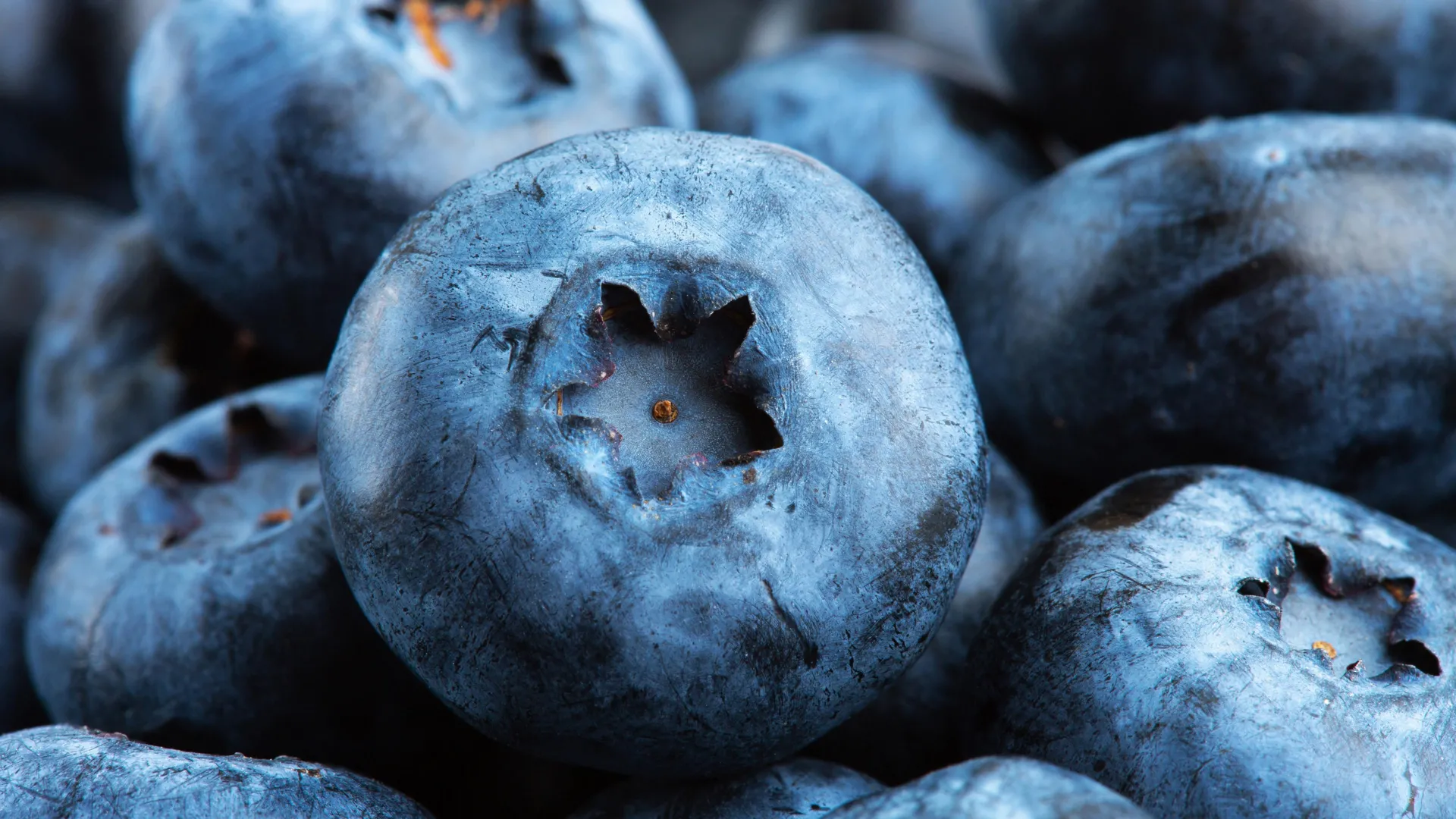
Researchers at Shinshu University in Japan, led by Associate Professor Takakazu Mitani, found that pterostilbene, a natural polyphenol found in blueberries, grapes and other berries, helps muscle cells break down excess stored fat. In tests on cultured mouse muscle cells, the compound produced the strongest reduction in intracellular lipid buildup among the substances tested, without harming normal cell growth.
Rather than blocking fat from entering muscle cells, pterostilbene stabilizes a protein called PPARδ by shielding it from degradation via the ubiquitin-proteasome pathway. With more PPARδ available, cells ramp up genes involved in fatty acid breakdown, and treated cells released more glycerol, a marker of active fat metabolism.
Excess fat stored inside skeletal muscle, known as myosteatosis, is linked to insulin resistance and worsens with high-fat diets, inactivity and aging. "We currently lack approved treatments specifically targeting myosteatosis," Mitani said, making dietary compounds like pterostilbene a potentially valuable lead. The findings, published September 1 in Food Bioscience, are so far limited to cultured cells, and human and animal trials are still needed before any practical health claims can be made.