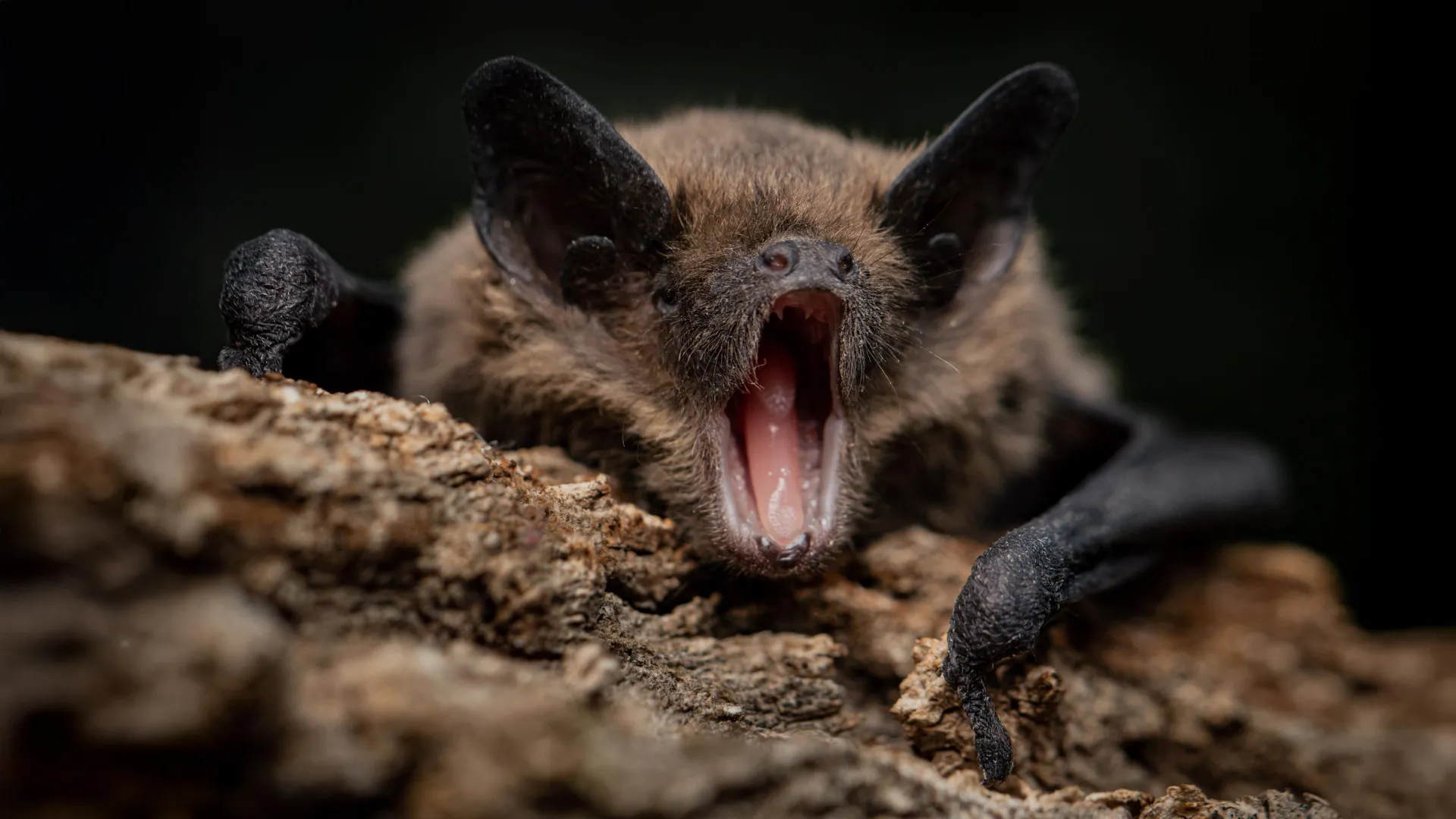
Researchers at Tulane University have discovered that vesper bats, the world's largest bat family with over 500 species, carry two separate sets of antibody-producing genes. Every other mammal studied so far has only one.
In the big brown bat, one gene set contains 33 antibody genes that mutate heavily to fit a single target precisely, while the second set holds 99 genes that change less but recognize a broader range of threats. The study, led by Hannah Frank with collaborators from Stanford University and the CDC, was published in Science Advances.
Frank said the finding "completely changes our understanding of how mammalian immune systems can be organized" and may help explain why bats can carry dangerous viruses, such as those behind past pandemics, without becoming seriously ill themselves.