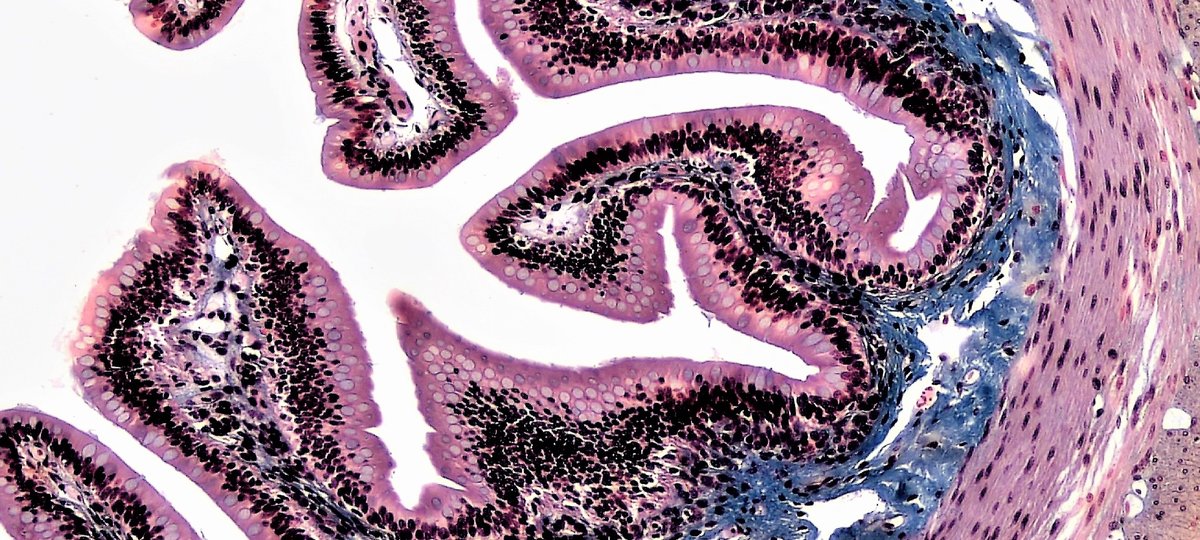
Researchers at Great Ormond Street Hospital and University College London have engineered the world's first lab-grown esophagus and successfully transplanted it into living animals, according to a study published in Nature Biotechnology. The breakthrough targets long-gap esophageal atresia, a condition affecting roughly 18 babies per year in the UK alone, where infants are born with an interrupted food pipe.
The technique uses a donor pig's esophagus stripped of all cells to create a scaffold, which is then repopulated with the recipient's own muscle cells grown in a lab. All eight transplanted animals survived the critical first 30 days, and by six months the grafts had developed functional muscle, nerves, and blood vessels — allowing normal eating and growth without any immunosuppressive drugs.
Lead researcher Professor Paolo De Coppi said the team aims to begin human trials within five years, potentially transforming treatment for children born with life-threatening esophageal conditions.